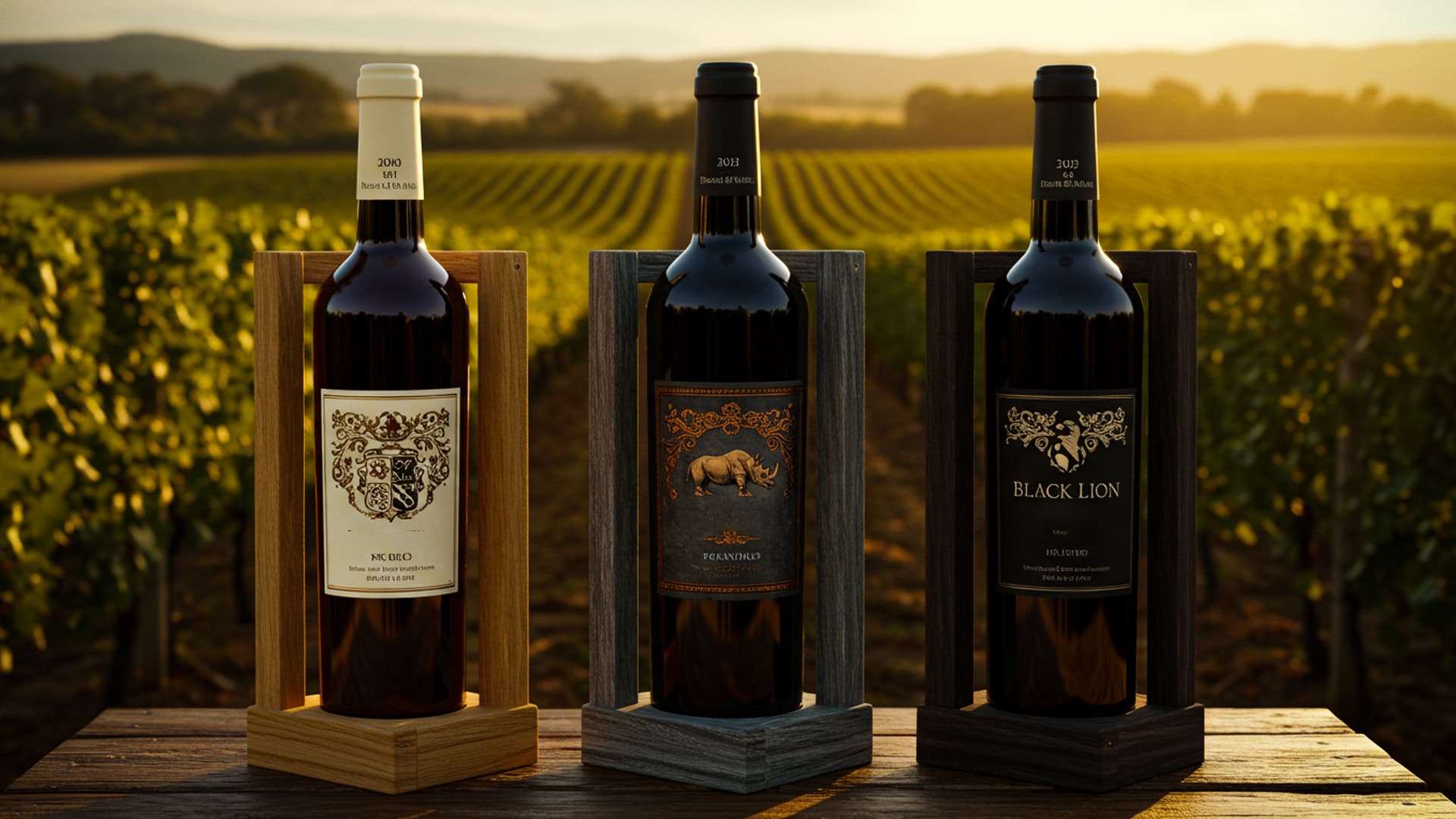
Cellar Investments: Collectible South African Wines to Watch
Cultivating a Portfolio of South Africa's Liquid Treasures Picture yourself descending into a subterranean vault where bottles rest like...
Cultivating a Portfolio of South Africa's Liquid Treasures
Picture yourself descending into a subterranean vault where bottles rest like archaeological artifacts awaiting their moment of revelation. In South Africa’s varied microclimates—from the granite slopes of Swartland to the maritime breezes of Durbanville—each vintage tells a unique story of terroir, climate anomaly, and human ingenuity. For the discerning collector, constructing a cellar isn’t merely about accumulation; it’s akin to curating a library of vinous manuscripts, each with its own narrative arc. By combining technical precision—monitoring phenolic ripeness, sulfur dioxide levels, and barrel regimens—with a storyteller’s sensibility, you transform a storage room into a dynamic anthology of investible assets.
Priority Vintages for Long-Term Appreciation
Classic Bordeaux-Style Blends
Envision a grand symphony of Cabernet Sauvignon, Cabernet Franc, and Merlot weaving through your senses as if guided by a seasoned conductor. Stellenbosch estates like Meerlust and Kanonkop have honed their vinification craft through decades, layering tannic architecture with velvety nuances reminiscent of aged cognac. These Bordeaux-style assemblages carry the weight of legacy grapes transplanted to African terroir, where mineral-rich soils and temperate maritime influences coax remarkable phenolic maturation. For the astute collector, securing successive vintages from the late 1990s through the 2010s can transform a humble rack into a curated anthology of vinous excellence.
Tracking en primeur releases and leveraging négociant relationships can grant preferential access to limited-release cuvées before they hit retail channels. Bear in mind that early acquisitions may exhibit reductive profiles, cloaked in pyrazine-inflected aromas that only dissipate with cellaring. A methodical decanting regimen during secondary maturation can coax out tertiary notes of leather, tobacco leaf, and dark fruit compote, rewarding the collector’s patience. Approach each purchase like a chess move, anticipating market shifts as these structured blends evolve into supple narratives of age-worthy complexity, unlocking capital appreciation beyond mere libation pleasure.
Iconic Single-Varietal Gems
Few varietals capture South Africa's vinous DNA like Pinotage, a cross of Pinot Noir and Cinsaut born from the mind of Abraham Perold. Each bottle from the Kanonkop stable narrates a saga of charcoal-roasted aromas entwined with blackberry sensibilities, a sensory chiaroscuro that evolves with bottle age. Meanwhile, Chenin Blanc from the Swartland topography defies stereotypes, its high acidity and honeyed nectars maturing into ethereal ambers. For the collector, securing early releases of these taut varietal wines—especially those subjected to prolonged sur lie aging—offers a front-row seat to terroir-driven epiphanies that mature like rare manuscripts in a private library.
Consider a hypothetical scenario: you acquire a block of Sauvignon Blanc from a frost-challenged vintage in Elim, presenting cut mineral edges that thrive on cellaring. Over a decade, the wine’s greenness yields to nuances of beeswax and candied citrus rind, a testament to reductive vinification techniques perfected by vignerons seeking purity over pulp. By tracking bottling dates and enlisting serial numerics for each bottle, collectors can orchestrate decanting schedules aligned with the maturation curve. Integrating these varietal jewels alongside Bordeaux-style heavyweights enables graceful portfolio diversification, blending muscular structure with ethereal varietal poise.
Emerging Vintage Releases
Anecdotally, the 2017 vintages in Darling and Stellenbosch surged in critical acclaim after a rare frost event yielded low yields but intense flavor concentration. Hypothetical collectors who secured allocations en primeur found their cellars blossoming years later, as these anomalous years demonstrated accelerated polyphenolic ripeness. Tracking anomalies in diurnal temperature differentials and precipitation patterns can signal years of concentrated phenolic structures. For those willing to indulge in archivism, vintages like 2018’s cooler-climate Sauvignon Blanc and 2019’s sun-soaked Shiraz deserve scrutiny for their atypical maturation trajectories that could outperform standard market expectations.
When evaluating recent releases, collectors often deploy a bifurcated approach: blind tastings and laboratory analyses of sulfur dioxide levels to assess reductive stress. A testament to this duality played out in 2021 Chardonnay batches that, despite reductive cuvée labels, revealed crystalline acidity and a waxy mid-palate after two years. By cataloguing enological data—pH values, titratable acidity, and micro-oxygenation logs—one cultivates a robust actinometry of each vintage’s evolution. Such hyper-technical diligence underpins confident decisions when deciding whether to hold, sell, or tranche bottles as they ascend to investible cult heights.
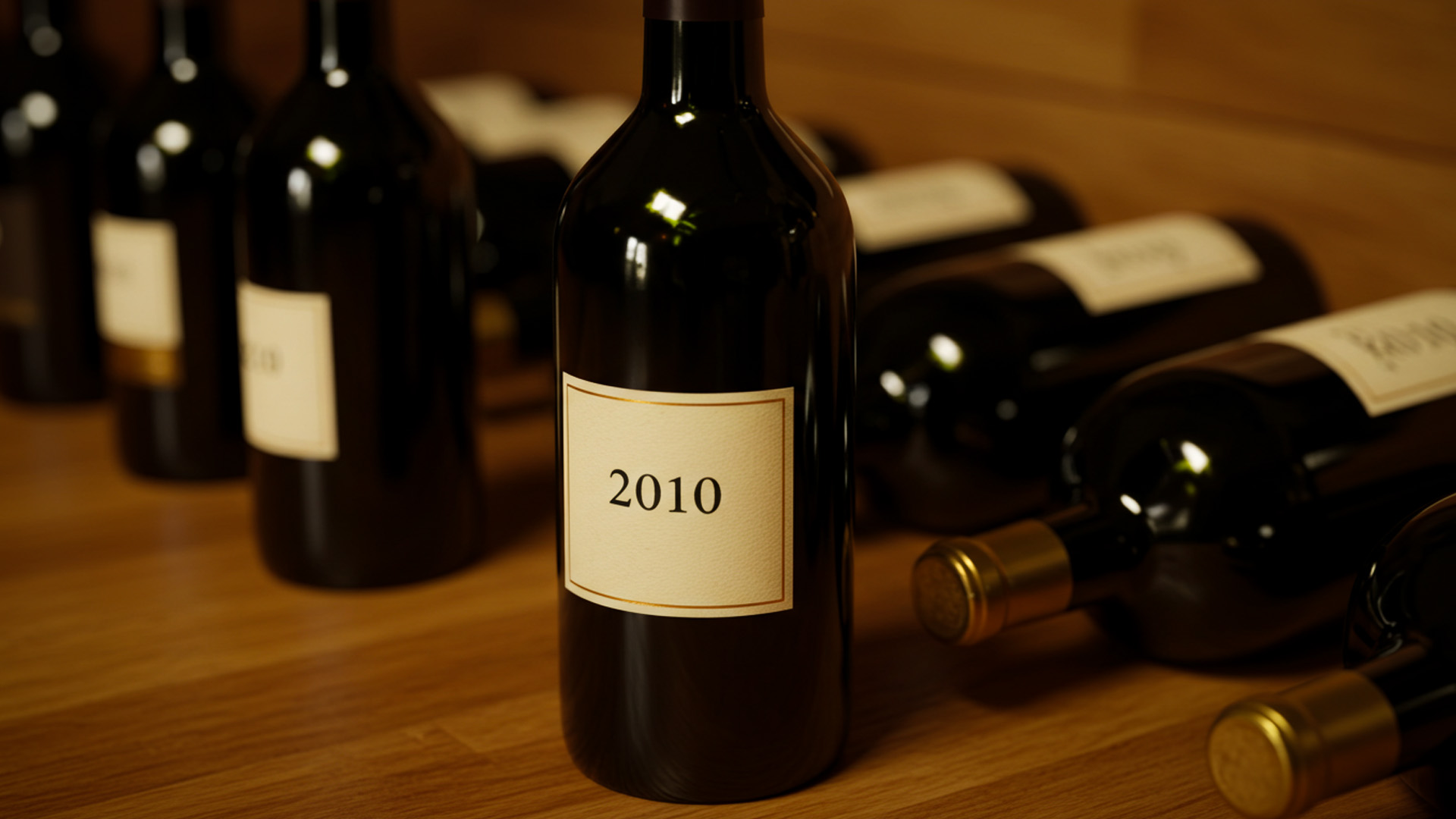
Distinguished Producers Defining the Landscape
Time-Honoured Estates
Emerging from the rolling slopes of Stellenbosch, estates like Kanonkop and Meerlust have transcended regional acclaim to etch their names in global annals. Imagine Philippe de Rothschild visiting signal towers of vines that, despite antediluvian farming practices, yielded structured elixirs worthy of oak encrustation. These terroir stalwarts employ traditional pisan aging regimes in French oak barrels, invoking micro-oxygenation techniques that sculpt muscular tannins into satin textures. Their appellative legacies underscore the stability of investible assets, where archival releases retain market valorization decades later, offering collectors a confidence rarely found in emerging appellations.
Take Nederburg’s famed auction-winner, a quintet of vintages sealed within porcelain-lined demijohns, which garnered record bids in a marathon Sotheby’s session. The anecdote serves as a parable: provenance and en primeur foresight can catalyze exponential appreciation. Each corked vessel reflects meticulous cavisterie protocols—from gentle pigeage to oxidative barrel racking—preserving phenolic integrity. By procuring back vintages during pre-bottling phases, collectors capitalize on lower entry points before market dynamics kick in. These time-honoured estates function as keystones in any cellar matrix, anchoring risk while providing cultural cachet and liquidity in discerning circles.
Innovative Boutique Wineries
In the Swartland region, small-batch producers like the Sadie Family Vineyards have redefined vinification, employing minimalistic interventions that foreground mother yeast fermentations and terroir idiosyncrasies. Picture tasting a cuvée fermented in amphorae, the lees imparting russet hues and a tactile viscosity reminiscent of fine silk. Such micro-terroir explorations appeal to collectors with a penchant for avant-garde enology, where experimentation is the leitmotif. These limited-run cuvées, often capped at mere hundreds of cases, become micro-investments, promising outsized returns if the winery garners critical kudos or secures spots on international sommelier lists.
Consider a hypothetical collector who secured a batch of Mullineux’s white granite soils Chenin Blanc on allocation via a mailing list. Over time, scarcity drove premiums as sommeliers and hedge funds snapped up the limited inventory. Anecdotes abound of secondary market markups eclipsing primary purchase prices by over 150 percent within five years. Integrating these boutique offerings into a broader slate of established estates can yield a compound annual growth rate that rivals traditional financial indices. However, prudent custodians monitor winery allocation policies and maintain provenance records to forestall nefarious counterfeiting or mislabeling that could erode asset integrity.
Co-Operative Marvels
While cooperatives rarely evoke images of haute vinification, South Africa’s co-op stalwarts like Badger’s Bush have consistently produced Chardonnay and Shiraz bottlings that outperform expectations. Imagine a consortium of smallholders pooling parcels to craft cuvées benchmarked against international standards. These cooperatives leverage shared fermentation tanks, compradors who curate barrel selections, and collective climatological data to optimize harvest timings. For the investor, co-op labels can provide lower-cost entry points into high-quality vintages, acting as “value arbitrage” opportunities when global markets seek diversified exposure beyond marquee estates.
To illustrate, a cohort of 50 cellar-door allocations from a boutique co-op produced during a drought year might yield an annualized return of 12 percent, outpacing benchmark indices like the Liv-ex 100. This vignette underscores the latent value in distributed viticultural models, where smaller operations collectively achieve economies of scale. Recording batch numbers, coop identifiers, and grape-sourcing pedigrees in an immutable ledger can safeguard against provenance disputes. Such meticulous record-keeping augments the investment thesis, transforming co-op bottlings from commodities into semi-fungible tokens of viticultural heritage.
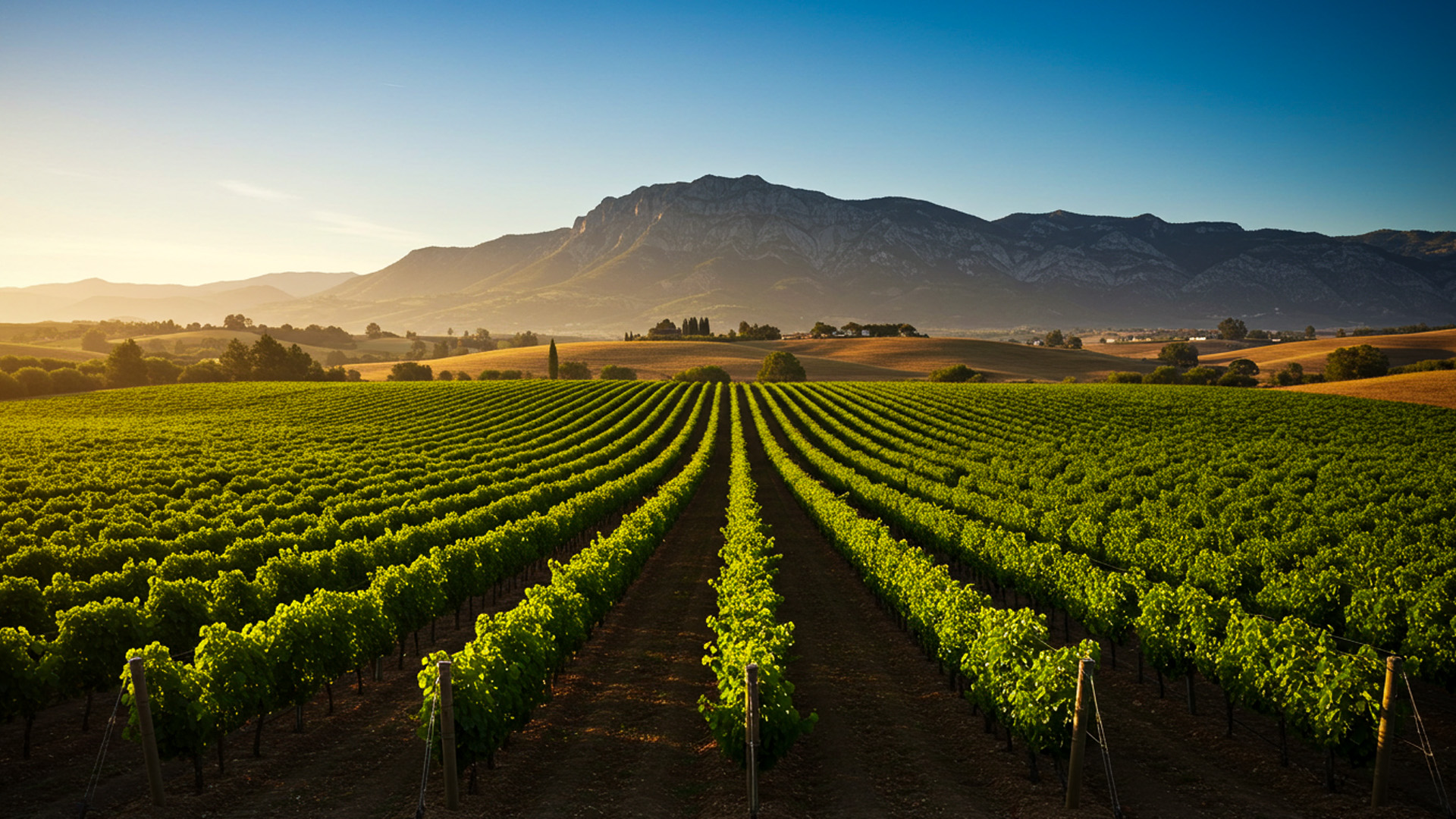
Cellar Conditions: Ensuring Optimal Evolution
Temperature and Humidity Control
Maintaining a stable microclimate is the fulcrum of any successful cellar investment strategy. Picture your bottles arrayed like planets in orbit around a cooling unit calibrated to 13°C, with humidity hovering near 70 percent—ideal conditions to preserve cork elasticity and stave off nefarious oxidation. Fluctuations beyond ±2°C can accelerate premature development or cork desiccation, risking stygian bottle faults. Advanced collectors deploy data loggers and IoT-enabled hygrometers to monitor real-time parameters, setting alerts for any aberrant excursions. This proactive regimen ensures that each vintage evolves according to its intended enological trajectory.
Consider an anecdote: a collector’s cellar in Johannesburg succumbed to erratic power outages, resulting in humidity dips below 50 percent and cork shrinkage. Salvaging the collection required intensive revanitization—rehydrating corks under controlled steam chambers—and swapping compromised bottles for duplicates acquired at secondary auctions. Such remediation underscores the warrant for backup power solutions and secure insulation zones. Installing dual cooling units with failover capabilities can mitigate risks, transforming your cellar from a static storage room into a dynamic repository where wines age gracefully, preserving both organoleptic integrity and investment value.
Racking, Rotation, and Positioning
Spatial arrangement within the cellar can influence subtle aspects of wine maturation. Conceptualize racks designed on gravitational principles, tilting bottles at a six-degree incline to keep lees settled and maintain cork moisture. Periodic rotation—akin to financial portfolio rebalancing—ensures no single zone experiences prolonged thermal or vibrational stress. Installing vibration-dampening chassis beneath shelving can eliminate micro-shocks that perturb sediment layers, preserving the wine’s clarity and aromatic bouquet. Adopting a hexagonal racking grid maximizes airflow circulation, offering uniform microthermal zones for each case in your collection.
A hypothetical rotation schedule might entail a quarter-turn of each bottle every six months, synchronized with atmospheric barometric cycles for optimal effect. Such regimental handling may seem fastidious, but seasoned collectors recognize its impact on phenolic integration and sediment compaction. A simple spreadsheet tracking movements, paired with bar code–enabled labeling, enables efficient audits of bottle provenance and positioning history. This level of operational discipline not only safeguards qualitative evolution but also augments the narrative of provenance, an intangible asset that enhances market desirability when bottles are presented to sommelier circles.
Monitoring and Mitigating Risks
All cellars face threats—from fungal bloom to seismic vibrations. Installing UV-filtering LED lighting can thwart mold proliferation while reducing heat load. For the cognoscenti, deploying barometric pressure sensors can preemptively flag ceiling cracks or micro-seismic events that jeopardize structural integrity. Insurance underwriters often require third-party risk assessments, cataloging hazards such as water ingress and sour rot. Proactive maintenance—like de-blooming stainless steel surfaces and repairing microfissures in stone walls—ensures the wine’s environment remains an oasis rather than a labyrinth of latent threats.
Imagine receiving an alert for a sudden humidity spike signaling a breached pipeline in an adjacent room. Rapid containment—shutting off valves and deploying absorbent booms—can salvage perimeters before capillary action spreads moisture. Routine risk audits, complemented by digital twin simulations of your cellar, enable scenario planning for worst-case events. By instituting a comprehensive Standard Operating Procedure (SOP) for emergency ripostes, collectors transform potential crises into managed outcomes, preserving both the bouquet in the bottle and the equilibrium of their investment portfolio.
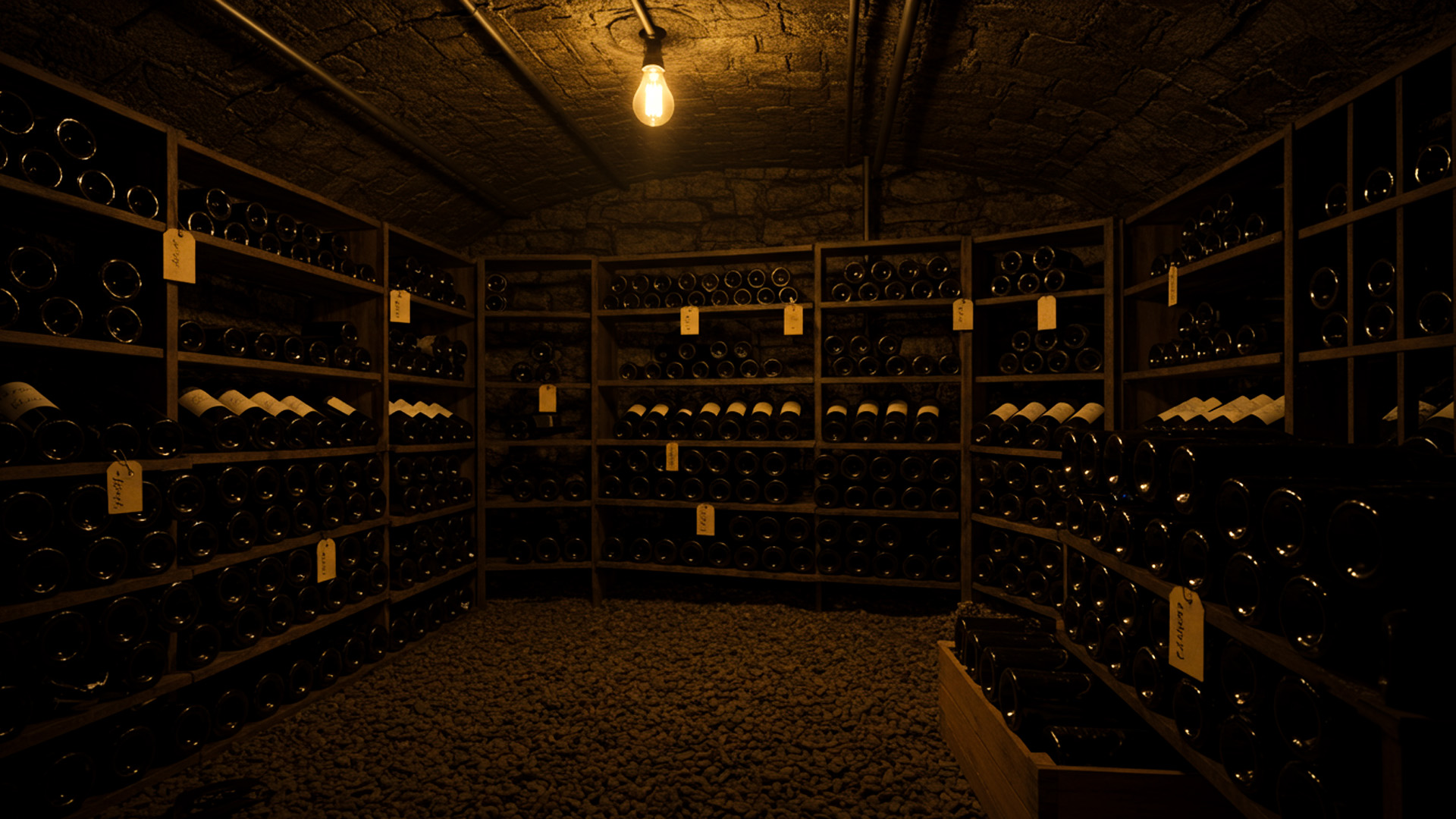
Strategic Acquisition and Timing
Primary Market vs Secondary Market Purchases
When embarking on acquisitions, one must distinguish between en primeur allocations and secondary market procurements. The former offers discounted entry, albeit with temporal capital lock-up until bottling, akin to venture capital’s unfunded promise. Conversely, secondary market purchases grant immediate possession but can command significant premiums as auctions factor in scarcity and provenance. Imagine negotiating directly with a winery for a 2022 vintage before bottling, then comparing that cost to the same wine’s hammer price five years later at a Cape Town cellar-door auction. Balancing these conduits is essential to optimizing cost basis and liquidity horizons.
In a hypothetical scenario, acquiring a case of 2016 Rubicon at ZAR 2,800 per bottle en primeur might translate to ZAR 3,500 post-bottling, whereas secondary market iterations in 2025 could fetch ZAR 5,000. Such markup dynamics reveal time arbitrage opportunities, especially when hedged against inflation and currency fluctuations. Astute collectors monitor currency forwards and interest rate curves to model real returns, mitigating risks inherent in a volatile ZAR environment. By calibrating allocations across primary and secondary channels, one crafts a layered acquisition strategy that respects both timing and capital efficiency.
Auction Platforms and Bidding Strategies
Auctions serve as barometers of market sentiment and provide transparency for price discovery. Platforms like Strauss & Co and WineBid South Africa host timed auctions where lots are accompanied by detailed provenance documentation and condition reports. Experienced bidders employ sniping tactics—placing last-second bids to circumvent incremental escalations—while others leverage proxy bidding to maintain anonymity. Anecdotes abound of collectors securing prized parcels at sub-expected prices by analyzing bid patterns and historical lot performance. Mastery of auction psychology can transform a casual purchase into a strategic acquisition with measurable ROI.
To navigate auction dynamics, collectors often establish preset bidding thresholds informed by comparable sales data and condition gradings. Implementing win–loss analysis frameworks on past auction results yields predictive insights into lot competitiveness. For instance, a win rate above 20 percent on Meerlust Rubicon offerings might justify escalating maximum bids, whereas sub-10 percent success could signal market saturation. Integrating automated bid agents with rules such as ‘enter X minutes before lot close’ can capitalize on inattentive competitors. These algorithmic approaches, when combined with on-the-ground intelligence gathering, yield a symphony of data-driven acquisition maneuvers.
Diversification and Portfolio Management
Effective cellar management echoes principles of modern portfolio theory, balancing asset classes—Bordeaux-style blends, varietal singularities, and co-op offerings—to minimize idiosyncratic risk. View each bottle as a component in a multidimensional covariance matrix, where uncorrelated vintages dampen volatility. A meteorologically anomalous year that decimates Shiraz yields may boost Sauvignon Blanc results, offsetting localized downturns. By staggering harvest-cycle exposures across regions like Constantia, Paarl, and Swartland, collectors achieve geospatial diversification. Tracking a rolling Sharpe ratio of your cellar can illuminate when to rebalance holdings or realize gains.
Consider a collector whose portfolio skewed 60 percent towards red blends and 40 percent whites. Following a tournament of ratings where Chenin Blanc surged in acclaim, recalibrating to a 50/50 split enhanced portfolio alpha by 3 percent annually. Deploying rebalancing nodes at 12-month intervals fosters disciplined curation, preventing overconcentration in surging sectors. Integrating a digital ledger to tag vintage metadata and performance metrics enables granular analytics. Such systematic protocols morph your cellar from an assortment of bottles into a dynamic, resilient investment vehicle, mirroring the rigor of institutional asset management.
Author: Elisha Roodt
Sharing trusted stories, tasting notes, and expert insights from South Africa's wine regions and producers.
More From South Africa

Climate Change Risks & Adaptations in South African Viticulture
A Landscape of Shifting Seasons and Resilient Vineyards In the heart of South Africa’s Cape Winelands, vineyards that have thrived for centuries...

Rooibos Wine: South Africa's Unique Twist on Traditional Winemaking
A New Chapter in the Story of Wine Every culture leaves its fingerprint on the timeless tradition of winemaking. In France, oak barrels whisper of...
South Africa’s Signature Wines Unveiled
Exploring the Terroir of Chenin Blanc, Pinotage, Shiraz, and Cabernet Sauvignon South Africa’s vineyards are as diverse as the landscapes that...

The Rich History of South African Wine: From 1659 to Today
A Journey Through Time and Terroir In the sun-dappled valleys of South Africa, the story of wine unfolds like an epic saga—rich in tradition...
Best South African Wines for Gifting in 2025
Discover the Finest South African Wines That Make Memorable Gifts for Wine Lovers South Africa's winemaking prowess has steadily gained...
Wine Tourism in South Africa: A Vital Pillar of the Nation's Economy
Exploring the Vibrant Intersection of Vineyards and Adventure South Africa's wine tourism industry has blossomed into a dynamic sector...