How South African Wines Compare to Global Wines
In the vast tapestry of global viticulture, South African wines occupy a unique and intriguing position. Often overshadowed by the storied...
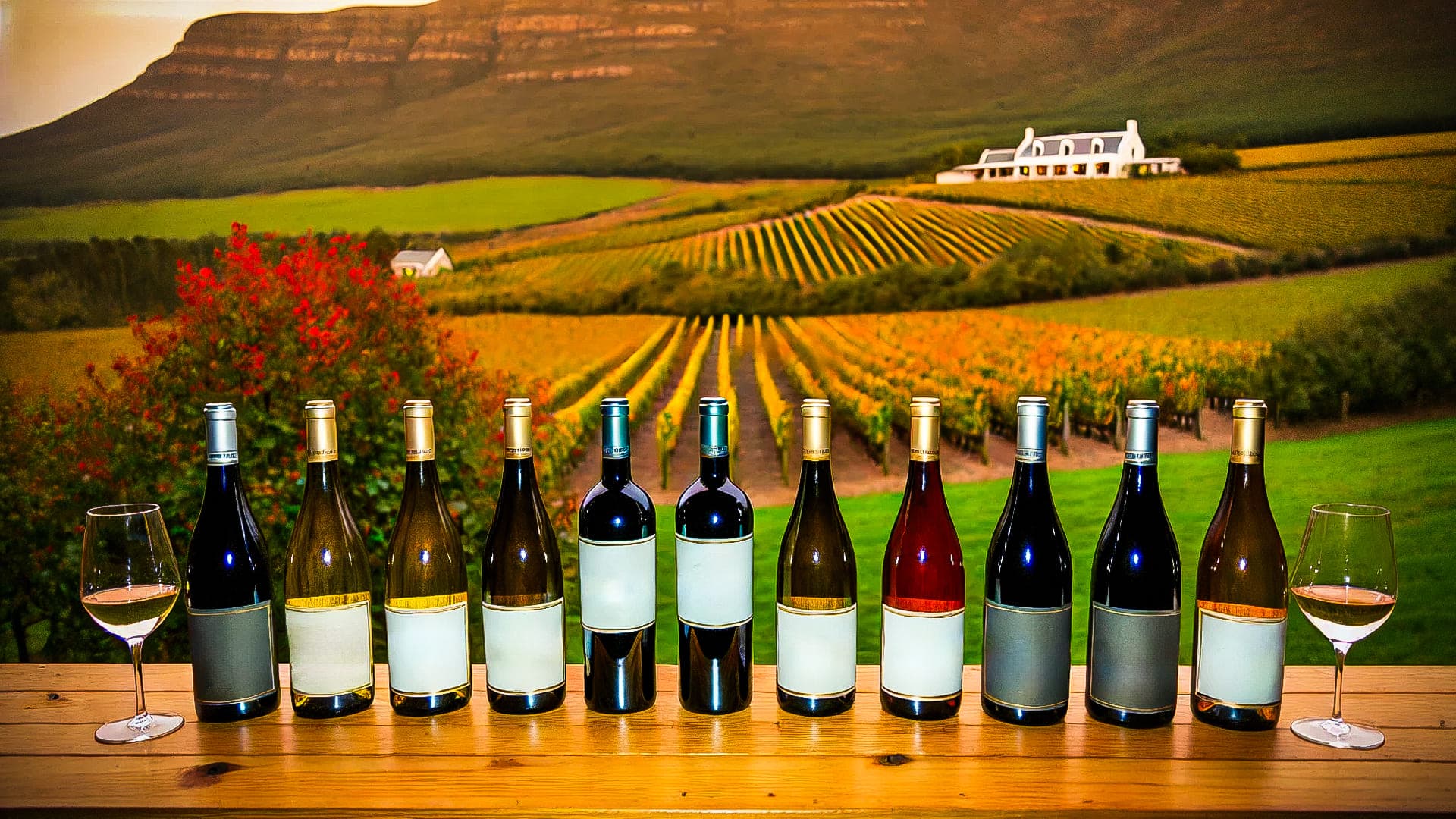
In the vast tapestry of global viticulture, South African wines occupy a unique and intriguing position. Often overshadowed by the storied traditions of France and Italy, South Africa’s wine industry is a gem that has steadily gained recognition for its quality, diversity, and character. As global palates become more adventurous and discerning, a comparative analysis of South African wines versus those from other famous regions reveals a compelling narrative of history, terroir, innovation, and identity.
The Rich History of South African Winemaking
Early Influences and European Settlements
The story of South African winemaking begins in the mid-17th century when the Dutch East India Company established a supply station at the Cape of Good Hope. Jan van Riebeeck, the station’s first commander, planted the first vineyard in 1655, with the initial harvest occurring in 1659. This nascent industry was influenced by European settlers, particularly the French Huguenots, who brought with them viticultural knowledge and grape varietals from their homeland. The Huguenots settled in the Franschhoek Valley, which remains one of South Africa’s most important wine-producing regions. Over the centuries, European techniques melded with the unique South African terroir, creating a distinctive wine culture.
Key Historical Moments That Shaped South African Wines
Throughout its history, South Africa's wine industry has faced significant challenges, including the ravages of phylloxera in the late 19th century and the economic isolation during the apartheid era. However, these adversities also spurred innovation and resilience. The formation of the Koöperatieve Wijnbouwers Vereniging van Zuid-Afrika (KWV) in 1918 played a crucial role in regulating and stabilizing the wine industry during difficult times. The post-apartheid era, with the lifting of international sanctions, marked a renaissance for South African wines, allowing them to compete on the global stage. Today, South Africa is recognized as a New World wine producer with a rich legacy and a promising future.
The Evolution of Wine Styles in South Africa
South African wines have undergone a significant transformation over the centuries. Early wines were often sweet and fortified, catering to European tastes and the practicalities of preservation during long sea voyages. However, as the industry matured, so did the styles of wine produced. The introduction of cold fermentation techniques in the 20th century allowed for the production of fresher, more aromatic wines. Today, South African winemakers are known for their versatility, producing everything from robust, full-bodied reds to crisp, elegant whites, and innovative blends that reflect the diverse terroirs of the region.
Terroir: The Unique Landscapes of South African Vineyards
Geographical Diversity: From Coastal Regions to Mountainous Terrain
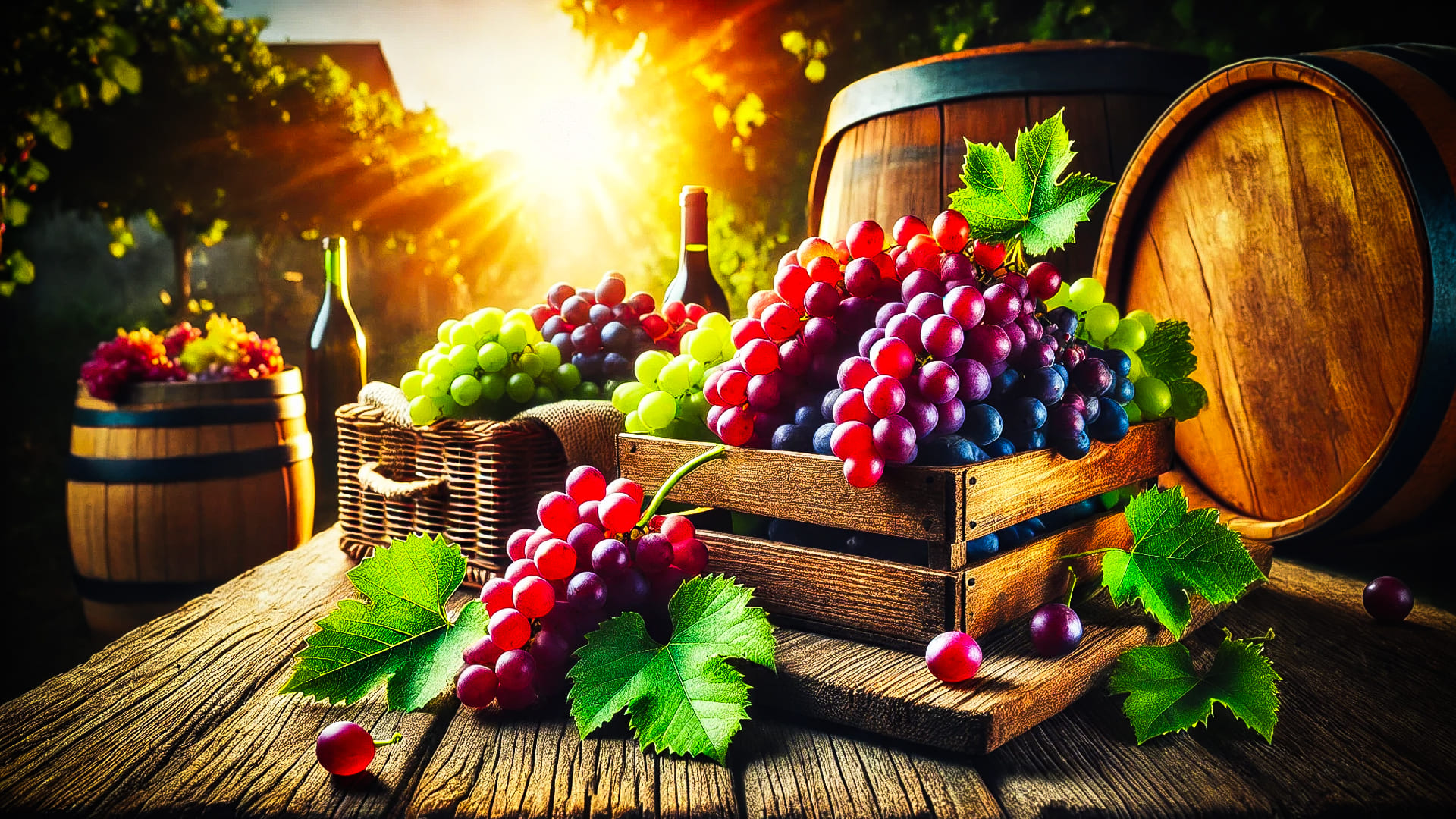
One of the defining characteristics of South African wines is the diversity of the country’s landscapes. Vineyards stretch across a wide range of geographies, from the coastal regions of Stellenbosch and Constantia to the mountainous terrain of the Swartland and Franschhoek valleys. This geographical diversity creates a multitude of microclimates, each imparting distinct characteristics to the grapes grown there. For example, vineyards in coastal regions benefit from the cooling influence of the Atlantic and Indian Oceans, producing wines with bright acidity and refined structure, while inland areas enjoy warmer temperatures, resulting in richer, more robust wines.
Climate and Soil Composition: How They Influence South African Wine Characteristics
South Africa’s climate is generally Mediterranean, with warm, dry summers and cool, wet winters. However, the country’s topography creates microclimates that range from the cool, foggy Cape Peninsula to the hot, dry plains of the Karoo. These climatic variations, combined with diverse soil types—ranging from ancient granite and shale to sandy loam and clay—create a complex matrix that influences the flavor, aroma, and structure of South African wines. For instance, the decomposed granite soils of Stellenbosch contribute to the mineral complexity of its Cabernet Sauvignon, while the shale and sandstone of the Hemel-en-Aarde Valley are ideal for producing refined, Burgundian-style Pinot Noir and Chardonnay.
Comparing Terroirs: South Africa vs. France and Italy
When comparing the terroirs of South Africa to those of France and Italy, it becomes evident that while South Africa’s wine regions share some similarities with their European counterparts, they also offer something entirely unique. The coastal regions of South Africa, with their maritime influences, can be likened to Bordeaux in France, where the ocean plays a crucial role in moderating temperatures. However, South Africa’s terroirs are often more extreme, with sharper contrasts in temperature and soil composition, leading to wines that can be more intense and concentrated. This diversity allows South African wines to stand alongside those from France and Italy, not as imitators, but as expressions of a land with its own distinctive voice.
Signature South African Wine Varieties
Pinotage: South Africa’s Flagship Grape
Pinotage is perhaps the most iconic of all South African wine varietals, known for its bold flavors and unique heritage. Created in 1925 by Abraham Izak Perold, the first professor of viticulture at Stellenbosch University, Pinotage is a cross between Pinot Noir and Cinsault (known locally as Hermitage). The grape was developed to withstand the South African climate, and over the decades, it has become a symbol of the country’s wine identity. Pinotage is known for its robust tannins, dark fruit flavors, and, often, a smoky, earthy undertone that sets it apart from other red varietals. It’s a wine that sparks debate among connoisseurs, with some praising its distinctiveness while others struggle with its sometimes rustic character. Nonetheless, it remains a testament to South Africa’s innovative spirit in winemaking.
Chenin Blanc: A Versatile White with a South African Twist
Chenin Blanc, known locally as Steen, is another cornerstone of South African viticulture. Originally from the Loire Valley in France, Chenin Blanc has found a second home in South Africa, where it thrives across various regions. South African Chenin Blancs are remarkably versatile, ranging from crisp, zesty, dry wines to rich, opulent, and even sweet versions. The grape’s adaptability to different terroirs allows winemakers to craft wines that reflect a broad spectrum of flavors and textures, from green apple and citrus notes in the cooler regions to honeyed, tropical fruit characteristics in warmer areas. This versatility has helped Chenin Blanc become one of the most celebrated white wines in South Africa, often outperforming its French counterparts in international competitions.
Other Notable Varietals: Syrah, Cabernet Sauvignon, and Sauvignon Blanc
Beyond Pinotage and Chenin Blanc, South Africa produces a wide array of other notable varietals that have garnered international acclaim. Syrah (or Shiraz, as it is often called) is one such varietal, known for its deep color, robust body, and flavors of dark berries, pepper, and spice. South African Syrah can range from powerful and intense to elegant and refined, depending on the region and winemaking style. Cabernet Sauvignon, particularly from Stellenbosch, is another standout, offering complex layers of blackcurrant, cedar, and tobacco, with the structure and aging potential that rivals the best of Bordeaux. Sauvignon Blanc, often grown in cooler regions like the coastal areas, is celebrated for its vibrant acidity and flavors of green apple, gooseberry, and tropical fruits. These varietals, along with innovative blends, showcase the diversity and quality of South African winemaking.

South African Wine Production Techniques and Practices
Traditional Winemaking Methods in South Africa
South African winemaking is steeped in tradition, with many wineries continuing to employ age-old methods passed down through generations. Traditional techniques, such as basket pressing, natural fermentation, and aging in large oak casks, are still prevalent, especially in regions with a long winemaking history like Constantia and Stellenbosch. These methods are valued for their ability to produce wines with depth, complexity, and a sense of place. The use of indigenous yeasts, which naturally occur on the grapes and in the winery environment, is also common, contributing to the unique character of South African wines. This respect for tradition, however, is often balanced with a willingness to innovate, resulting in a dynamic and evolving wine culture.
Innovations and Modern Techniques Adopted by South African Winemakers
While tradition plays a vital role, South African winemakers are also at the forefront of innovation, constantly experimenting with new techniques and technologies. The introduction of temperature-controlled fermentation, stainless steel tanks, and advanced filtration systems has allowed winemakers to produce cleaner, more precise wines. Additionally, many winemakers are exploring the use of amphorae and concrete eggs for fermentation and aging, which can enhance the texture and complexity of the wine. Another area of innovation is in the vineyard, where precision viticulture techniques, such as satellite imaging and drone technology, are being used to monitor vine health and optimize grape quality. These modern practices, combined with a deep respect for the land, are helping South African wines to compete at the highest levels on the global stage.
Sustainability and Organic Practices in South African Viticulture
Sustainability is a growing focus within the South African wine industry, with many producers committed to environmentally responsible practices. South Africa is home to the world’s first sustainability seal for wine, which guarantees that the wine was produced according to environmentally friendly practices, from vineyard to bottle. Organic viticulture is also on the rise, with an increasing number of wineries adopting organic farming methods that avoid synthetic pesticides, herbicides, and fertilizers. These practices not only help to preserve the health of the soil and surrounding ecosystems but also contribute to the production of wines that truly reflect the terroir. Additionally, some wineries are embracing biodynamic principles, which view the vineyard as a holistic, self-sustaining ecosystem. These efforts are positioning South African wines as leaders in the global movement towards sustainable and organic wine production.
Comparing South African Wines with French Wines
Bordeaux vs. Stellenbosch: A Tale of Two Reds
When it comes to red wines, Bordeaux and Stellenbosch are two of the most renowned regions in the world. Both are celebrated for their Cabernet Sauvignon and Merlot blends, but the wines they produce are distinct expressions of their respective terroirs. Bordeaux wines are often characterized by their elegance, with a focus on balance, structure, and subtlety. The gravelly soils of Bordeaux’s Left Bank contribute to wines with firm tannins and complex flavors of blackcurrant, cedar, and graphite. In contrast, Stellenbosch wines tend to be more opulent and fruit-forward, with riper tannins and flavors of dark berries, plums, and spices, reflecting the warmer climate and varied soils of the region. While Bordeaux may have the historical prestige, Stellenbosch is increasingly recognized for producing world-class reds that offer exceptional value and quality.
Burgundy’s Chardonnay vs. South African Chardonnay: A Comparative Taste Test
Chardonnay is another varietal that provides an interesting comparison between South Africa and France, particularly the Burgundy region. Burgundy is the benchmark for Chardonnay, known for its minerality, acidity, and complex layers of fruit, floral, and oak-driven flavors. The cool climate and limestone-rich soils of Burgundy are key to producing these refined and elegant wines. South African Chardonnay, on the other hand, often exhibits a different profile, with more pronounced tropical fruit flavors, a fuller body, and a slightly higher alcohol content, particularly from warmer regions like Stellenbosch and Robertson. However, Chardonnays from cooler areas like Elgin and Hemel-en-Aarde can rival those from Burgundy, offering a similar balance of acidity, minerality, and subtle oak influence, but with a distinctive South African flair.
Exploring Sparkling Wines: Champagne vs. South African Méthode Cap Classique
Sparkling wine enthusiasts often draw comparisons between France’s Champagne and South Africa’s Méthode Cap Classique (MCC). Both are made using the traditional method, where the secondary fermentation occurs in the bottle, creating fine bubbles and complex flavors. Champagne, with its centuries-old heritage, is the epitome of luxury and sophistication, known for its bright acidity, brioche notes, and delicate bubbles. South African MCC, while less well-known, offers a remarkable alternative, often at a fraction of the price. MCCs are typically fresher and fruitier than Champagne, with flavors of citrus, green apple, and white flowers, along with a subtle yeasty complexity from extended lees aging. The growing reputation of MCC has led to increased recognition on the global stage, with many connoisseurs considering it a worthy competitor to Champagne.
How South African Wines Stack Up Against Italian Wines
Tuscan Sangiovese vs. South African Pinotage: A Flavor Comparison
Tuscan Sangiovese and South African Pinotage are two red wines that offer a fascinating contrast in flavor and style. Sangiovese, the backbone of Italy’s famous Chianti wines, is known for its bright acidity, firm tannins, and flavors of cherry, plum, and dried herbs. It is a wine that speaks of tradition and the rustic beauty of the Tuscan landscape. In contrast, Pinotage, South Africa’s signature grape, presents a bolder, more intense profile, with dark fruit flavors, smoky undertones, and a distinctive earthiness. While Sangiovese is often enjoyed with food, due to its acidity and tannic structure, Pinotage is a wine that can stand on its own, offering a unique tasting experience that is both robust and intriguing. The comparison highlights the diversity of red wines and the unique expressions that different regions and grapes can offer.
South African Chenin Blanc vs. Italian Pinot Grigio: Battle of the Whites
When it comes to white wines, South African Chenin Blanc and Italian Pinot Grigio provide an interesting study in contrasts. Pinot Grigio, particularly from Italy’s Veneto region, is known for its light, crisp, and refreshing qualities, with flavors of green apple, pear, and lemon. It is often seen as an easy-drinking, versatile wine that pairs well with a variety of dishes. South African Chenin Blanc, on the other hand, offers a broader spectrum of flavors and styles, from bone-dry, zesty versions with high acidity to richer, more textured wines with tropical fruit notes and a hint of honey. The versatility of Chenin Blanc makes it a standout in South Africa’s wine portfolio, and in many cases, it outshines Pinot Grigio in terms of complexity and aging potential.
Exploring Dessert Wines: Vin Santo vs. South African Noble Late Harvest
Dessert wines offer a sweet finale to any comparative wine tasting, and here, Vin Santo from Italy and South African Noble Late Harvest wines provide an indulgent comparison. Vin Santo, typically made from Trebbiano and Malvasia grapes, is known for its amber color, rich flavors of dried fruit, nuts, and honey, and its characteristic oxidative style, which gives it a unique nutty, caramelized profile. It is traditionally enjoyed with biscotti or as a digestif. South African Noble Late Harvest wines, often made from Chenin Blanc or Riesling, are also rich and sweet but tend to have a more pronounced freshness, with flavors of apricot, peach, and honey, balanced by a vibrant acidity. The difference in style reflects the different approaches to dessert wine production in each region, with Vin Santo offering a more rustic, old-world charm, while South Africa’s Noble Late Harvest wines deliver a more fruit-driven, vibrant expression of sweetness.

The Global Perception of South African Wines
How South African Wines Are Viewed by International Wine Critics
In recent years, South African wines have garnered increasing attention and praise from international wine critics. Once considered a niche player in the global wine market, South Africa is now recognized as a producer of high-quality, distinctive wines that offer exceptional value. Critics have lauded South Africa for its diversity of styles, from the bold, unique flavors of Pinotage to the elegant, mineral-driven whites of regions like Hemel-en-Aarde. The country’s commitment to quality, innovation, and sustainability has also been a significant factor in its rising reputation. While South African wines were once overshadowed by those from more established regions like France and Italy, they are now frequently featured in top wine lists and have won numerous awards at prestigious international competitions.
Market Presence: South African Wines on the Global Stage
The global presence of South African wines has expanded significantly over the past few decades. Export markets, particularly in the UK, Germany, and the United States, have embraced South African wines for their quality and affordability. South African wines are often positioned as premium but accessible alternatives to more expensive European wines, appealing to a broad range of consumers. The rise of South African wine tourism, with regions like Stellenbosch and Franschhoek becoming popular destinations, has also helped to raise the profile of the country’s wines on the international stage. As more consumers become familiar with South Africa’s wine regions and varietals, the demand for these wines continues to grow, further solidifying their place in the global market.
Awards and Recognitions: Highlighting South African Wine Successes
South African wines have achieved numerous accolades and recognitions on the global stage, underscoring the country’s growing reputation as a world-class wine producer. From gold medals at the Decanter World Wine Awards to high scores from renowned wine critics like Robert Parker and James Suckling, South African wines have consistently been recognized for their excellence. Specific varietals, such as Chenin Blanc and Syrah, have become standout performers, often outperforming wines from more traditional wine-producing countries. The success of South African wines in international competitions not only highlights their quality but also reflects the dedication and passion of the country’s winemakers. These awards have played a crucial role in elevating South Africa’s status in the global wine community and have contributed to the increasing demand for its wines worldwide.
The Future of South African Wines in the Global Market
Emerging Trends in South African Winemaking
As the South African wine industry continues to evolve, several emerging trends are shaping its future. One of the most notable trends is the increasing focus on producing wines that truly reflect their terroir. This has led to a greater emphasis on single-vineyard wines and the exploration of lesser-known varietals that thrive in specific microclimates. There is also a growing movement towards natural and minimal-intervention winemaking, with a focus on organic and biodynamic practices. These trends are part of a broader global shift towards sustainability and authenticity in wine production. Additionally, South African winemakers are increasingly experimenting with unconventional blends and innovative winemaking techniques, resulting in wines that push the boundaries of traditional styles and offer something truly unique to consumers.
Challenges and Opportunities for South African Wines on the World Stage
Despite its many successes, the South African wine industry faces several challenges as it continues to expand its global presence. One of the most significant challenges is overcoming the lingering perceptions of South African wines as being of lower quality or value, a legacy of the apartheid era when the country’s wines were largely excluded from international markets. However, this challenge also presents an opportunity: by continuing to focus on quality, sustainability, and innovation, South African winemakers can further distinguish their wines in a crowded global market. Another challenge is the increasing competition from other New World wine producers, such as Chile and Argentina, which are also making strides in quality and market presence. However, South Africa’s unique terroirs, diverse varietals, and rich history provide a strong foundation for continued success.
Predictions for the Next Decade: Will South African Wines Rival the Best of France and Italy?
Looking ahead, the future of South African wines appears bright. As the industry continues to innovate and improve, there is every reason to believe that South African wines will increasingly rival the best from France and Italy. The combination of old-world traditions with new-world innovation, along with a deep respect for the land and a commitment to sustainability, positions South African wines to compete at the highest levels. In the next decade, we can expect to see South African wines gaining even more recognition and market share, not just as affordable alternatives, but as premium wines that stand shoulder to shoulder with the finest offerings from Europe. The potential for South African wines to become global icons is within reach, and the next chapter in their story is one that the world will be watching closely.
The Future of South African Wines in the Global Market
Author: Elisha Roodt
Sharing trusted stories, tasting notes, and expert insights from South Africa's wine regions and producers.
More From South Africa

Climate Change Risks & Adaptations in South African Viticulture
A Landscape of Shifting Seasons and Resilient Vineyards In the heart of South Africa’s Cape Winelands, vineyards that have thrived for centuries...

Rooibos Wine: South Africa's Unique Twist on Traditional Winemaking
A New Chapter in the Story of Wine Every culture leaves its fingerprint on the timeless tradition of winemaking. In France, oak barrels whisper of...
Cellar Investments: Collectible South African Wines to Watch
Cultivating a Portfolio of South Africa's Liquid Treasures Picture yourself descending into a subterranean vault where bottles rest like...
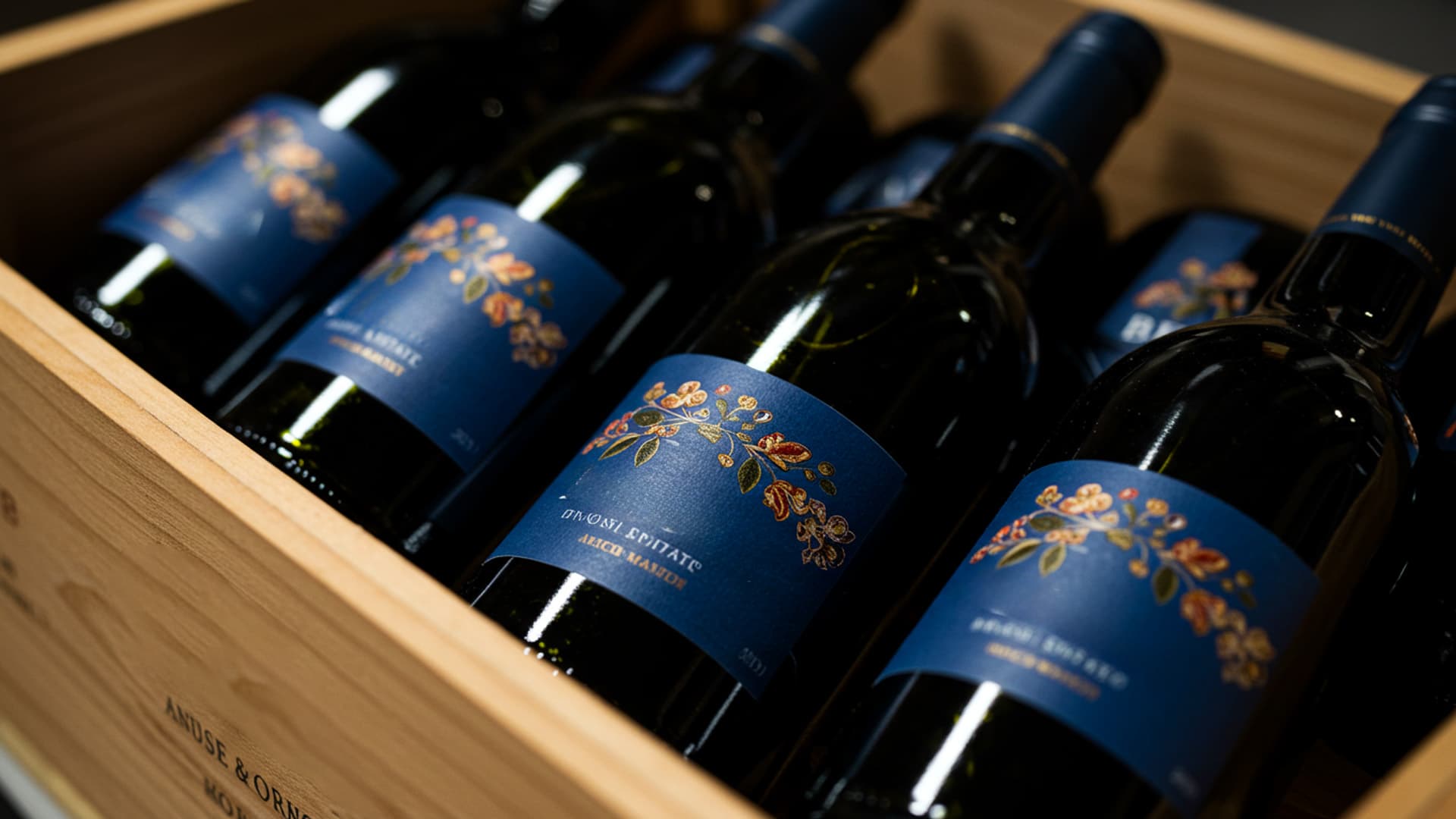
South Africa’s Signature Wines Unveiled
Exploring the Terroir of Chenin Blanc, Pinotage, Shiraz, and Cabernet Sauvignon South Africa’s vineyards are as diverse as the landscapes that...

The Rich History of South African Wine: From 1659 to Today
A Journey Through Time and Terroir In the sun-dappled valleys of South Africa, the story of wine unfolds like an epic saga—rich in tradition...
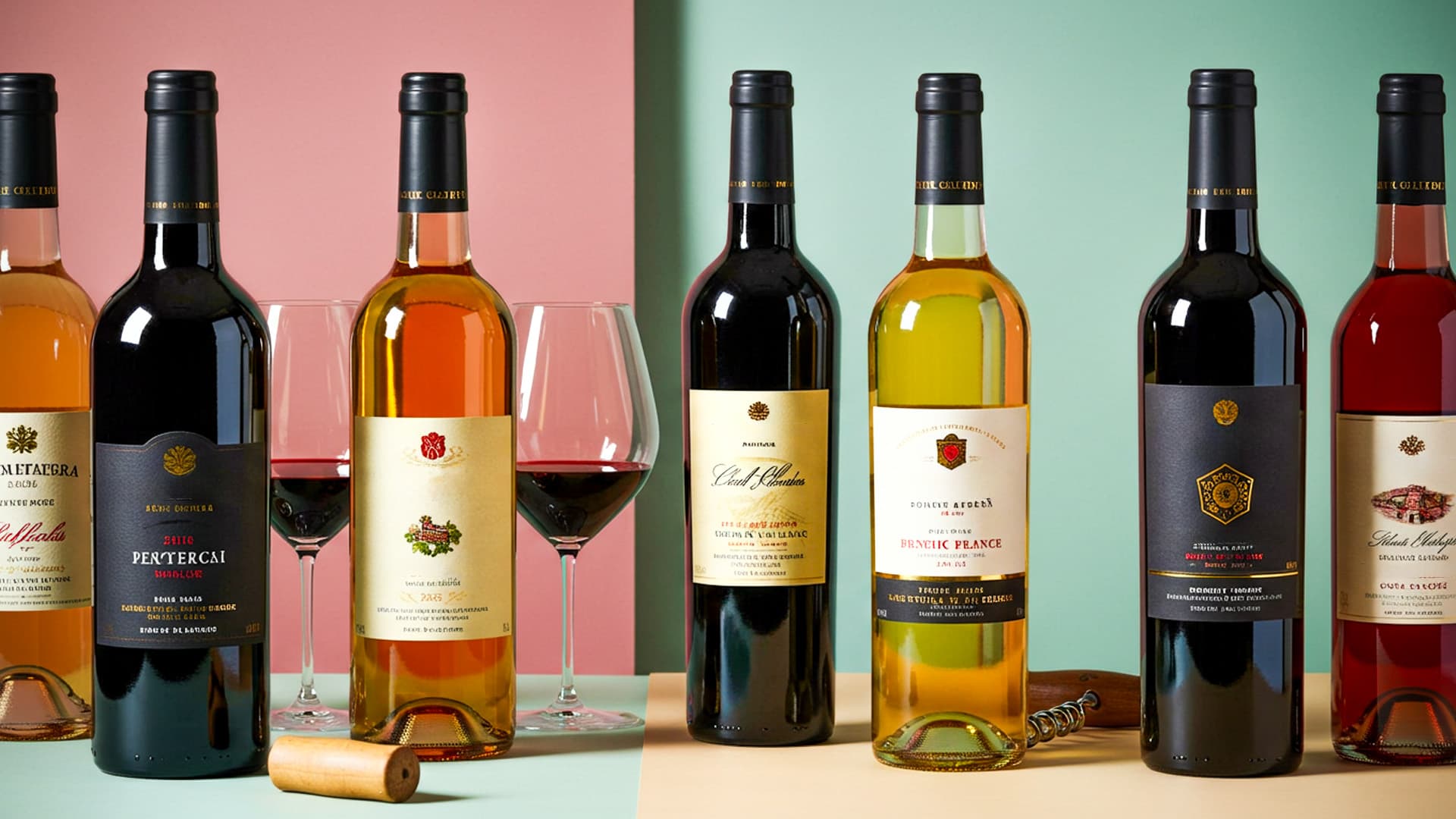
Best South African Wines for Gifting in 2025
Discover the Finest South African Wines That Make Memorable Gifts for Wine Lovers South Africa's winemaking prowess has steadily gained...