
More About South African Wine
South African wine has a history dating back over 350 years, making it one of the oldest wine-producing regions outside of Europe. The winemaking...
South African wine has a history dating back over 350 years, making it one of the oldest wine-producing regions outside of Europe. The winemaking tradition in South Africa began in the 17th century with the arrival of the Dutch East India Company, which established a supply station at what is now Cape Town. The first successful vineyard was planted in 1655, and the first wine was produced in 1659 by Jan van Riebeeck, the founder of Cape Town, intended to supply ships on their voyages along the spice route.
The South African wine industry has grown significantly since those early days, with the country now recognized as the ninth-largest wine producer worldwide. The industry is concentrated mainly in the Western Cape province, where the climate is particularly well-suited for viticulture. The region's Mediterranean climate, with its warm dry summers and cool wet winters, along with diverse soils, provides ideal conditions for a wide range of grape varieties.
South Africa is known for its Chenin Blanc, which is locally known as Steen, and produces some of the world's best examples of this variety. Other white grapes include Chardonnay, Sauvignon Blanc, and Riesling. The country's red wines are also gaining international acclaim, particularly those made from Pinotage—a grape variety that is a cross between Pinot Noir and Cinsaut (formerly known as Hermitage in South Africa) and unique to the country. Other significant red varieties include Cabernet Sauvignon, Merlot, Shiraz, and the increasingly popular Rhône blends.
The South African wine industry is marked by its commitment to sustainability and biodiversity. The Integrated Production of Wine (IPW) scheme, a voluntary environmental sustainability scheme, covers a comprehensive set of principles for both growing grapes and producing wine in an environmentally responsible manner. Additionally, the Biodiversity & Wine Initiative (BWI) encourages and champions the conservation of indigenous habitat in the wine regions.
The wine regions in South Africa are divided into several main areas, including Constantia, Stellenbosch, Paarl, Swartland, and Franschhoek, among others. Each region has its unique terroir and specializes in different varieties and styles of wine. Stellenbosch, for example, is renowned for its high-quality red wines, while Constantia is famous for its white wines, particularly Sauvignon Blanc and Semillon.
Wine tourism is a significant part of the country's economy, with many estates offering wine tasting, cellar tours, and other experiences that showcase the beauty of the vineyards and the quality of South African wines. The Cape Winelands, with its stunning landscapes, historic estates, and gourmet dining options, is a popular destination for wine enthusiasts from around the world.
In recent years, South African wines have continued to gain international recognition for their quality and value, with many award-winning wines being produced across the country. The industry's focus on innovation, sustainability, and expressing the unique characteristics of the South African terroir has helped to elevate the country's standing in the global wine community.
As the South African wine industry evolves, several trends and initiatives have been shaping its direction and success on the global stage. Here are key areas of focus and development:
Emphasis on Terroir and Single-Vineyard Wines
South African winemakers are increasingly emphasizing terroir—the unique characteristics imparted by the environment where grapes are grown—to differentiate their wines. This has led to a rise in single-vineyard wines, which aim to express the distinctiveness of specific parcels of land. This trend is part of a larger movement towards understanding and highlighting the diverse wine regions within South Africa, each with its own microclimates and soil types.
Innovation in Winemaking
Innovation is a hallmark of the South African wine industry, with winemakers experimenting with both traditional and modern winemaking techniques. This includes the use of concrete egg fermenters, amphorae, and old oak to influence the flavor profiles of wines, as well as exploring less common grape varieties. There's also a growing interest in natural and orange wines, reflecting a global trend towards minimal intervention in winemaking.
Sustainability and Social Responsibility
Sustainability remains a cornerstone of the South African wine industry, with widespread adoption of practices designed to protect the environment and promote biodiversity. Beyond environmental stewardship, the industry is also focused on social responsibility, aiming to improve the lives of workers and communities involved in wine production. Initiatives like the Fairtrade certification and the WIETA (Wine Industry Ethical Trade Association) accreditation ensure fair labor practices and contribute to the social development of wine-producing areas.
Wine Tourism and Global Recognition
Wine tourism is an integral part of South Africa's appeal, combining the country's scenic beauty with culinary experiences and wine education. Wineries offer a range of activities from tastings and cellar tours to vineyard walks and harvest festivals. This has not only boosted the local economy but also increased international awareness and appreciation of South African wines.
The global recognition of South African wines continues to grow, with many wineries receiving international awards and accolades. Critics and connoisseurs alike praise the country for its ability to produce wines that are expressive, diverse, and offer excellent value for money. The success of South African wines in international competitions and in the global market underscores the industry's quality and innovation.
Challenges and Opportunities
Despite its successes, the South African wine industry faces challenges, including climate change, water scarcity, and economic pressures. These challenges compel the industry to continue innovating and adapting, whether through water-saving viticulture practices, exploring new grape varieties more suited to changing climates, or improving the efficiency and sustainability of winemaking processes.
Looking ahead, the South African wine industry is poised for further growth, driven by its rich winemaking heritage, commitment to quality and sustainability, and the dynamic and innovative spirit of its winemakers. As the world becomes more aware of the unique qualities of South African wines, the industry's future appears bright, with many opportunities for expansion into new markets and further establishing its reputation as a producer of world-class wines.
Where is the Best Wine Farms in South Africa?
Identifying the "best" wine farms in South Africa can be subjective, as it depends on personal taste and what one considers important—be it the quality of wine, the beauty of the estate, the range of experiences offered, or the sustainability practices employed. However, there are several wine regions in South Africa renowned for their exceptional wine farms, each offering something unique:
These regions represent the diversity and quality of South African wine farms, each offering unique experiences, from tasting world-class wines and exploring beautiful vineyards to enjoying gourmet cuisine. The "best" region or farm often comes down to personal preference, including the type of wines you enjoy, the experiences you seek, and the landscapes you prefer to explore.
Author: Gerald Ferreira
Sharing trusted stories, tasting notes, and expert insights from South Africa's wine regions and producers.
More From South Africa

Climate Change Risks & Adaptations in South African Viticulture
A Landscape of Shifting Seasons and Resilient Vineyards In the heart of South Africa’s Cape Winelands, vineyards that have thrived for centuries...

Rooibos Wine: South Africa's Unique Twist on Traditional Winemaking
A New Chapter in the Story of Wine Every culture leaves its fingerprint on the timeless tradition of winemaking. In France, oak barrels whisper of...
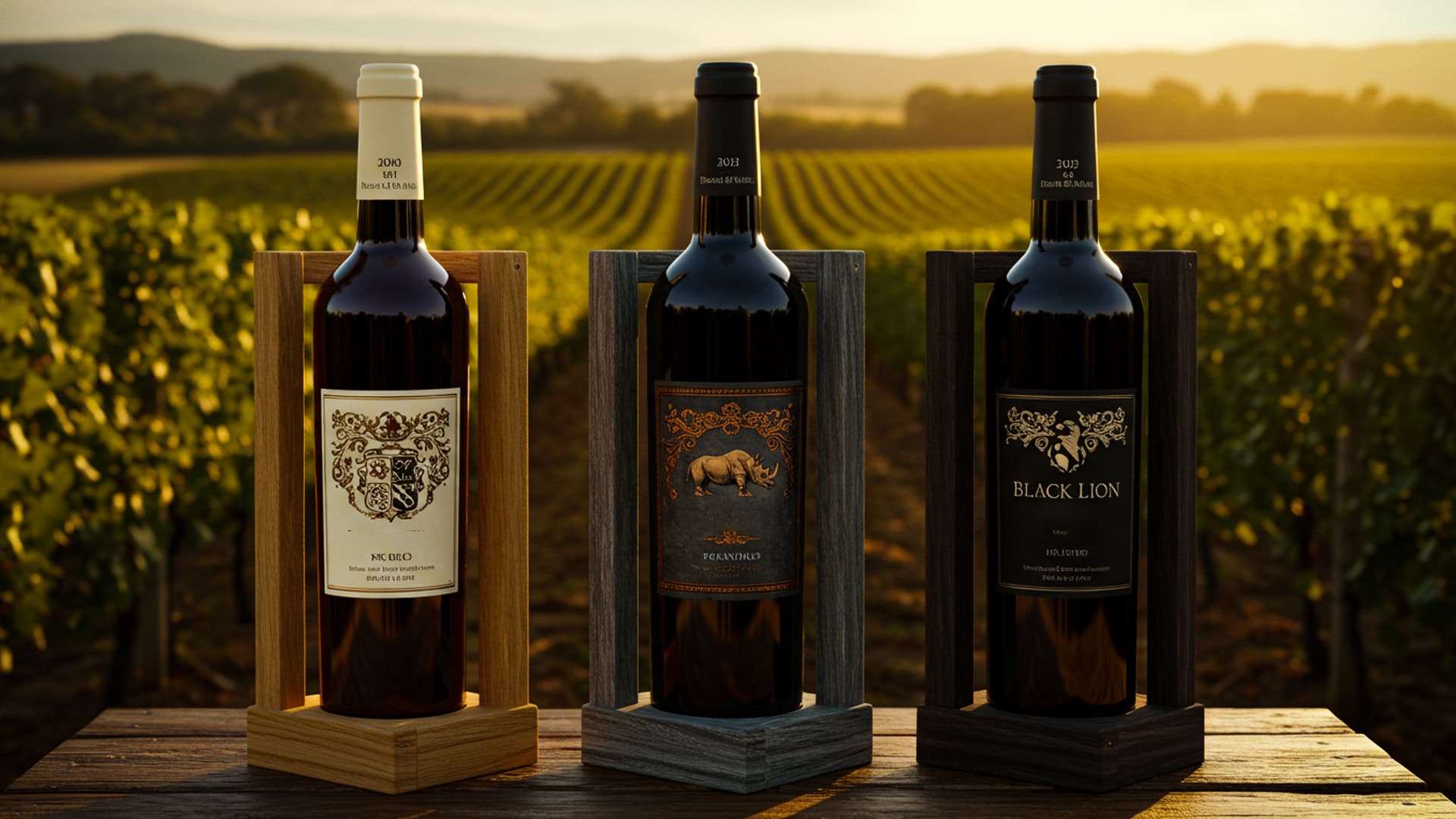
Cellar Investments: Collectible South African Wines to Watch
Cultivating a Portfolio of South Africa's Liquid Treasures Picture yourself descending into a subterranean vault where bottles rest like...
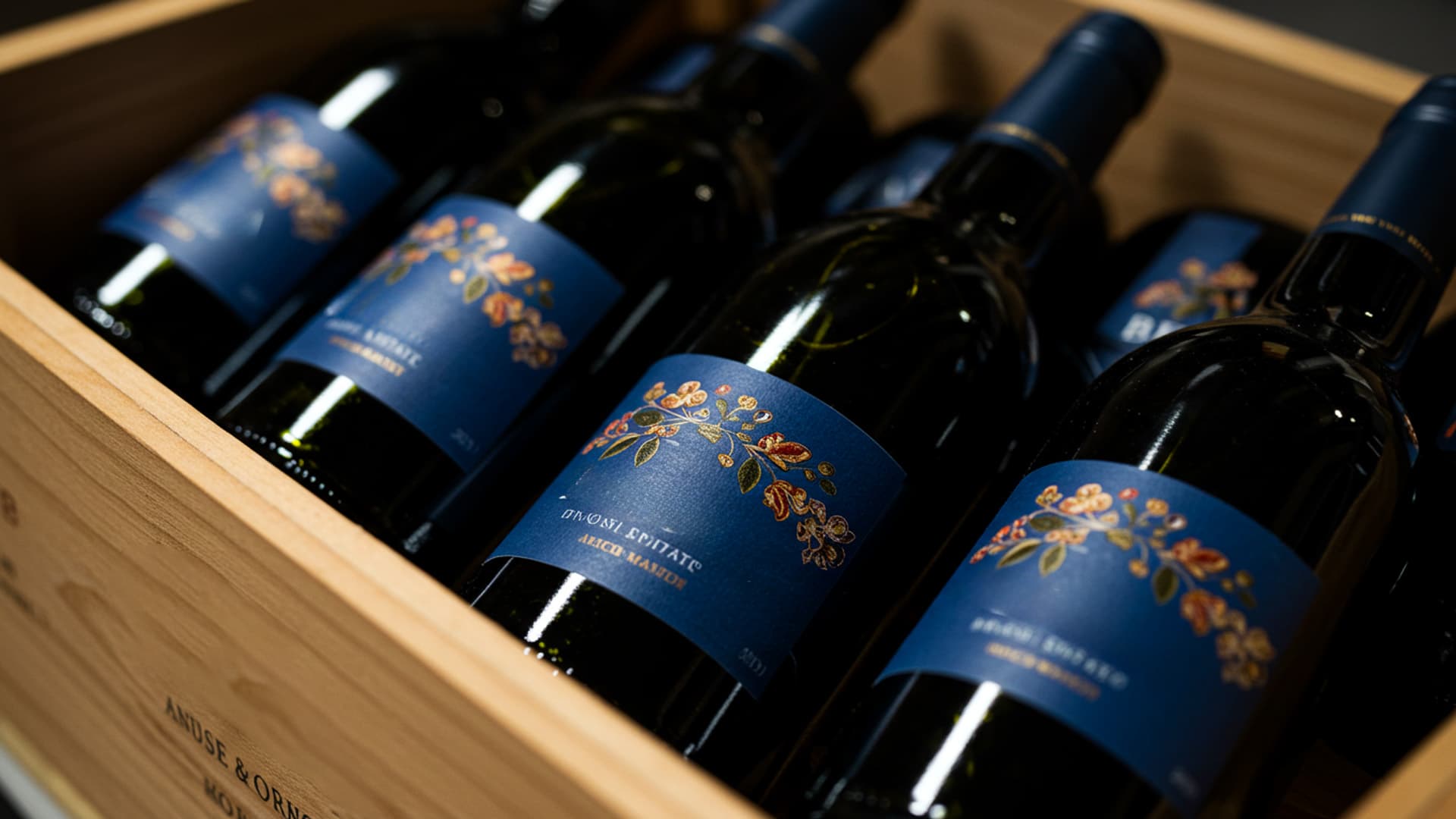
South Africa’s Signature Wines Unveiled
Exploring the Terroir of Chenin Blanc, Pinotage, Shiraz, and Cabernet Sauvignon South Africa’s vineyards are as diverse as the landscapes that...

The Rich History of South African Wine: From 1659 to Today
A Journey Through Time and Terroir In the sun-dappled valleys of South Africa, the story of wine unfolds like an epic saga—rich in tradition...
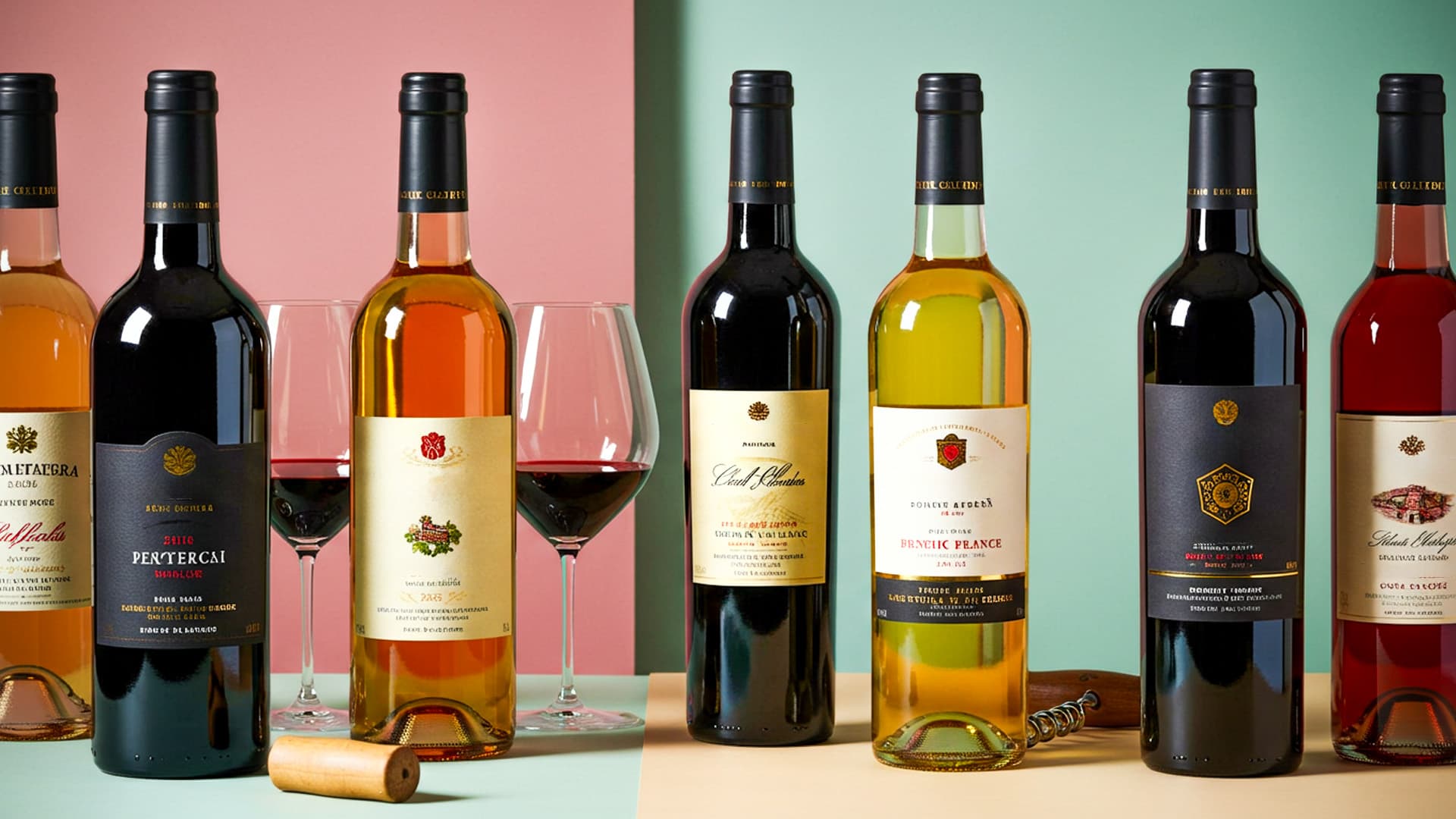
Best South African Wines for Gifting in 2025
Discover the Finest South African Wines That Make Memorable Gifts for Wine Lovers South Africa's winemaking prowess has steadily gained...