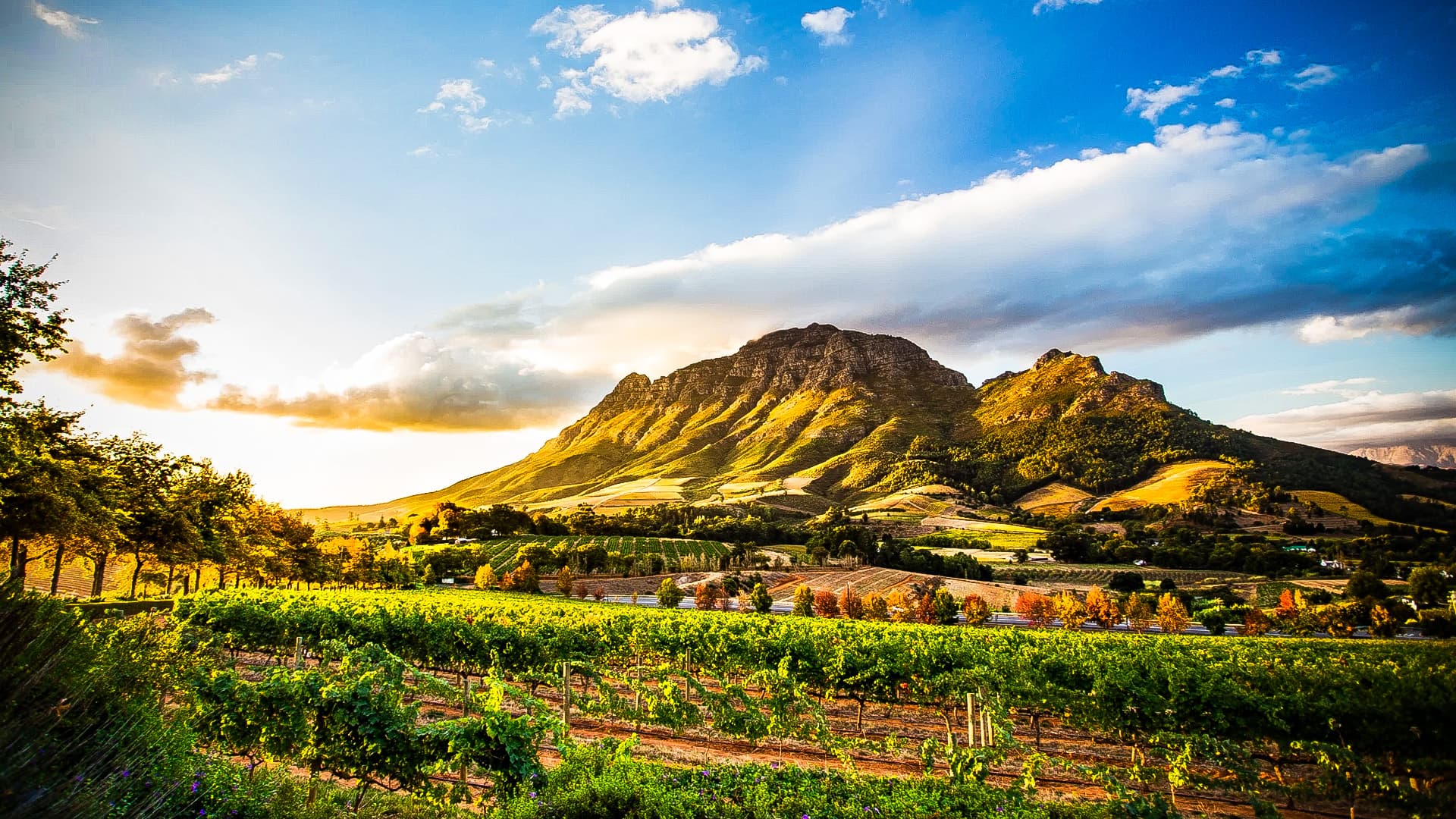
The History of Winemaking in South Africa
South Africa's winemaking tradition is not merely a tale of grapes and fermentation; it is a narrative deeply intertwined with the country’s...
South Africa's winemaking tradition is not merely a tale of grapes and fermentation; it is a narrative deeply intertwined with the country’s cultural, economic, and social fabric. From its humble beginnings in the 17th century, South African wine has grown to earn its rightful place on the global stage, celebrated for its unique varietals, rich history, and pioneering spirit. This journey, spanning centuries, encapsulates a story of resilience, innovation, and a commitment to excellence that has shaped South Africa's identity in the world of wine.
South Africa’s Rich Winemaking Heritage
The vineyards of South Africa are more than just agricultural fields—they are living embodiments of the country’s heritage. Wine has played a significant role in shaping South African culture, becoming a symbol of hospitality, celebration, and national pride. Economically, the wine industry contributes billions to the South African economy, providing employment to thousands and driving tourism in wine regions like Stellenbosch, Franschhoek, and Paarl. The global recognition of South African wine, with its distinct terroir and character, further underscores the country’s influence in the world of viticulture. This heritage is a testament to the perseverance of those who have nurtured the vines through the centuries, overcoming challenges and embracing opportunities.
The Dawn of Winemaking: 17th Century Beginnings
The Arrival of the Dutch East India Company
In 1655, the Dutch East India Company (VOC) laid the foundations for what would become one of South Africa’s most enduring legacies. As the VOC established a refreshment station at the Cape of Good Hope, they recognized the need for a reliable source of fresh produce and wine to supply their ships on the long journey to the East. It was under this directive that the first grapevines were planted at the Cape, marking the birth of winemaking in South Africa. These initial vines, brought from Europe, would struggle to adapt to the new environment, yet their introduction was a pivotal moment, sowing the seeds for a flourishing industry.
Jan van Riebeeck: The Father of South African Wine
Jan van Riebeeck, the first commander of the Cape, is often celebrated as the father of South African wine. His vision for the colony included the cultivation of vineyards to produce wine and brandy, essential for the survival of sailors and settlers alike. In 1659, van Riebeeck produced the first bottle of South African wine, a modest achievement that belied the significant future awaiting the Cape’s vineyards. Van Riebeeck’s early efforts, though modest, laid the groundwork for a tradition that would grow in sophistication and scale over the following centuries.
The Early Challenges of Cape Winemaking
The initial forays into viticulture at the Cape were fraught with challenges. The unfamiliar climate, different from the temperate regions of Europe, posed significant difficulties in grape cultivation. Early settlers had limited knowledge of the local terroir and viticulture techniques, leading to variable quality in the wines produced. Pests, diseases, and inconsistent weather further compounded the struggles. Yet, despite these setbacks, the early winemakers persevered, learning to adapt to the Cape’s unique conditions and setting the stage for future success.
The Huguenot Influence: A Turning Point in Quality
The Huguenot Migration to the Cape
A significant turning point in South Africa’s winemaking history came with the arrival of the French Huguenots in the late 17th century. Fleeing religious persecution in France, these skilled winemakers brought with them a wealth of viticultural knowledge and expertise. Settling in the Cape, the Huguenots infused the fledgling wine industry with new techniques, grape varieties, and a passion for quality. Their influence would prove transformative, raising the standards of winemaking at the Cape and introducing practices that would endure for generations.
Franschhoek: The French Corner of the Cape
Franschhoek, meaning “French Corner,” became the heart of the Huguenot winemaking tradition. Nestled in a valley surrounded by majestic mountains, Franschhoek offered a microclimate well-suited to grape cultivation. The Huguenots quickly established vineyards, applying their expertise to create wines that garnered acclaim both locally and abroad. Today, Franschhoek remains one of South Africa’s premier wine regions, renowned for its elegant wines, rich history, and French-inspired charm.
The Birth of Constantia: South Africa’s First Famous Wine Estate
Among the many legacies of the Huguenots, none is more illustrious than the establishment of the Constantia wine estate. Founded in 1685 by Simon van der Stel, the estate quickly gained international renown for its sweet wines, which were favored by European royalty and nobility. Constantia’s wines, made from the Muscat Blanc à Petits Grains grape, were celebrated for their richness, complexity, and longevity. The estate’s success marked South Africa’s first major entry into the global wine market, a position it would hold for centuries.
The 19th Century: Expansion and Innovation
The Introduction of New Grape Varieties
The 19th century was a period of expansion and experimentation in South African viticulture. As the Cape Colony grew, so too did the demand for wine, leading to the introduction of new grape varieties from Europe. Varieties such as Cabernet Sauvignon, Shiraz, and Chardonnay began to appear in Cape vineyards, diversifying the range of wines produced. This era of innovation laid the foundation for the rich variety of wines that South Africa produces today, each with its own unique expression of the Cape terroir.
Phylloxera and the Devastation of Vineyards
However, this period of growth was not without its setbacks. In the late 19th century, the phylloxera louse, an invasive pest, devastated vineyards across the Cape. The tiny insect, which feeds on the roots of grapevines, caused widespread destruction, wiping out entire vineyards and threatening the very survival of the wine industry. The crisis forced winemakers to replant their vineyards with phylloxera-resistant rootstocks, a process that was both costly and time-consuming. Despite the devastation, the industry’s resilience shone through as vineyards were gradually restored and winemaking resumed.
Recovery and Rebuilding: The Birth of Cooperatives
In response to the challenges posed by phylloxera and economic pressures, the early 20th century saw the rise of cooperatives as a means of rebuilding the wine industry. Farmers banded together to pool resources, share knowledge, and collectively market their wines. The establishment of cooperatives like the Koöperatieve Wijnbouwers Vereniging (KWV) in 1918 played a crucial role in stabilizing the industry and improving the quality of South African wines. These cooperatives would become the backbone of the wine industry, guiding it through the tumultuous decades to come.
The 20th Century: Challenges and Transformation
Apartheid’s Impact on the Wine Industry
The 20th century was a period of profound change for South Africa, and the wine industry was not immune to the social and political upheavals of the time. The apartheid era brought with it significant challenges, including international sanctions that isolated South African wine from global markets. The industry struggled under the weight of these restrictions, with many wine producers focusing on quantity over quality to survive. The social injustices of apartheid also cast a shadow over the industry, leading to calls for reform and greater inclusivity.
KWV: A Force for Change
Amidst these challenges, KWV emerged as a powerful force for change within the industry. Initially established to regulate the wine market and support struggling farmers, KWV evolved into a major player in the industry, driving improvements in winemaking standards and spearheading efforts to open up new markets. KWV’s influence extended beyond South Africa’s borders, helping to pave the way for the country’s re-entry into the global wine market following the end of apartheid.
The Emergence of Estate Wines and Boutique Wineries
The latter half of the 20th century saw a shift towards quality and innovation, as winemakers increasingly focused on producing estate wines and establishing boutique wineries. This movement was characterized by a renewed emphasis on terroir, with winemakers seeking to create wines that reflected the unique characteristics of their vineyards. The rise of boutique wineries brought diversity and creativity to the industry, with winemakers experimenting with new techniques, grape varieties, and styles. This period of transformation laid the groundwork for the modern South African wine industry, which today is celebrated for its quality and originality.
Post-Apartheid Era: A New Dawn for South African Wine
Re-entry into the Global Market
The end of apartheid in 1994 marked a new dawn for South African wine. With international sanctions lifted, South African wines could once again compete on the global stage. This re-entry into the global market was not without its challenges, as winemakers had to rebuild their reputations and adapt to the changing tastes of international consumers. However, the industry’s resilience and commitment to quality paid off, with South African wines quickly gaining recognition for their unique character and exceptional value. Today, South Africa is a key player in the global wine market, exporting millions of bottles each year to countries around the world.
The Rise of Sustainable and Biodynamic Winemaking
As the global wine industry increasingly embraces sustainability, South African winemakers have been at the forefront of the movement towards sustainable and biodynamic practices. Many vineyards have adopted organic farming methods, reduced their carbon footprints, and implemented water conservation measures in response to the challenges posed by climate change. Biodynamic winemaking, which emphasizes harmony with the natural environment, has also gained traction in South Africa, with a growing number of winemakers embracing these holistic practices. This commitment to sustainability not only enhances the quality of the wines but also ensures the long-term viability of the industry.
Wine Tourism: South Africa’s Vineyards as Global Destinations
Wine tourism has become a significant driver of the South African wine industry, attracting visitors from around the world to experience the country’s vineyards, cellars, and tasting rooms. The scenic beauty of the Cape winelands, combined with the rich history and diversity of the wines, makes South Africa a premier destination for wine lovers. Wine estates offer a range of experiences, from guided tours and tastings to gourmet dining and luxury accommodations, creating a vibrant tourism sector that supports local communities and contributes to the economy. The rise of wine tourism has also helped to further elevate the profile of South African wine on the global stage.
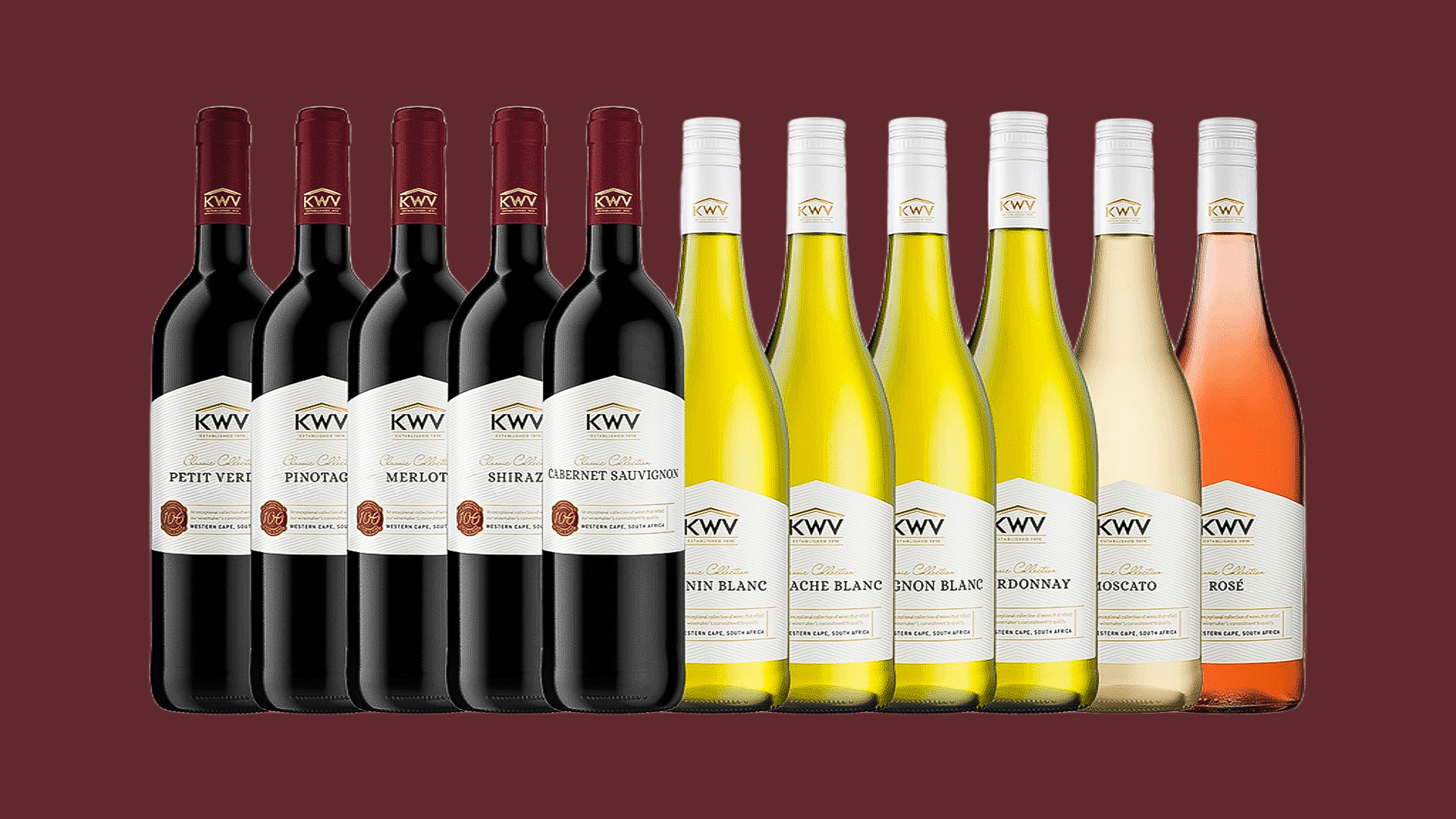
Modern South African Wines on the Global Stage
Iconic Varietals: Pinotage and Beyond
South Africa’s signature grape, Pinotage, is a symbol of the country’s winemaking innovation and identity. Created in 1925 by crossing Pinot Noir and Cinsault (then known as Hermitage), Pinotage has become synonymous with South African wine, celebrated for its bold flavors and versatility. Beyond Pinotage, South Africa produces a wide range of varietals, including Chenin Blanc, Shiraz, and Sauvignon Blanc, each reflecting the diverse terroirs of the country. These iconic varietals have garnered international acclaim, positioning South Africa as a leader in both traditional and innovative winemaking.
Award-Winning Wines: South Africa’s Global Recognition
The quality of South African wine has been recognized on the global stage, with numerous awards and accolades affirming the country’s status as a world-class wine producer. From prestigious international wine competitions to critical acclaim from leading wine critics, South African wines consistently impress with their balance, complexity, and value. These accolades are a testament to the dedication and expertise of South African winemakers, who continue to push the boundaries of quality and innovation. The recognition also underscores the global appeal of South African wine, which is enjoyed by wine enthusiasts and connoisseurs alike.
The Future of South African Winemaking
Looking to the future, the South African wine industry is poised for continued growth and innovation. As winemakers explore new regions, experiment with lesser-known grape varieties, and embrace cutting-edge techniques, the potential for further excellence is vast. The industry’s commitment to sustainability will play a crucial role in shaping its future, as climate change presents both challenges and opportunities for viticulture. Additionally, the continued rise of wine tourism and the global demand for unique, high-quality wines will drive the industry’s expansion. The future of South African winemaking is bright, with the promise of even greater achievements on the horizon.
Reflecting on a Rich Legacy
The journey of South African winemaking is one of perseverance, innovation, and triumph. From its modest beginnings in the 17th century to its current status as a global powerhouse, the industry has evolved through centuries of challenges and transformations. Each era has contributed to the rich tapestry of South Africa’s winemaking heritage, creating a legacy that is both proud and enduring.
South Africa’s Place in the World of Wine
Today, South Africa stands as a key player in the global wine industry, renowned for its diverse varietals, sustainable practices, and commitment to quality. The country’s wines, shaped by a unique confluence of history, culture, and terroir, offer a distinctive voice in the world of wine. As the industry continues to grow and innovate, South Africa’s place in the world of wine is assured, with its wines continuing to captivate and inspire connoisseurs around the globe.
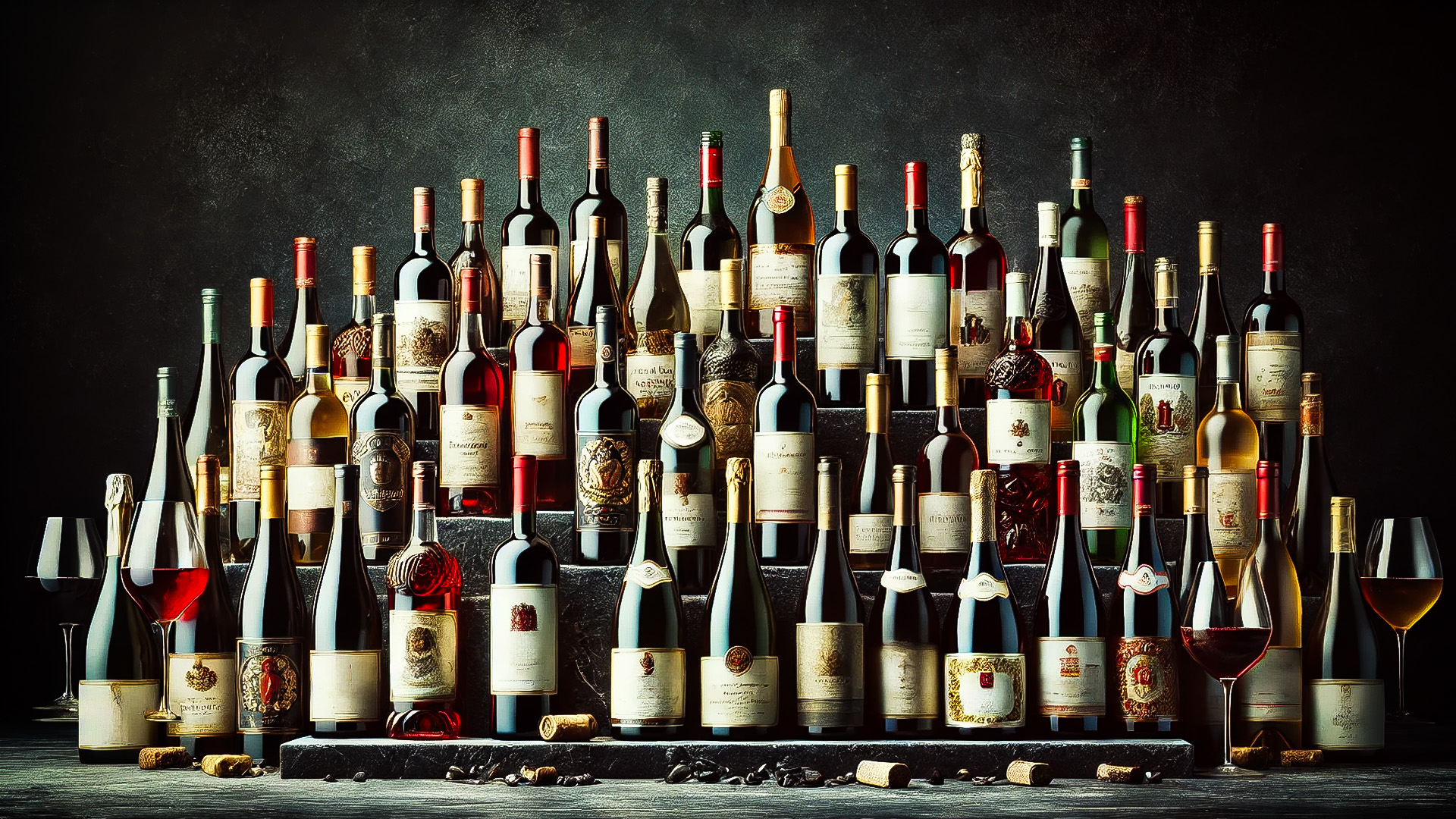
Modern South African Wines On The Global Stage
Author: Elisha Roodt
Sharing trusted stories, tasting notes, and expert insights from South Africa's wine regions and producers.
More From South Africa

Climate Change Risks & Adaptations in South African Viticulture
A Landscape of Shifting Seasons and Resilient Vineyards In the heart of South Africa’s Cape Winelands, vineyards that have thrived for centuries...

Rooibos Wine: South Africa's Unique Twist on Traditional Winemaking
A New Chapter in the Story of Wine Every culture leaves its fingerprint on the timeless tradition of winemaking. In France, oak barrels whisper of...
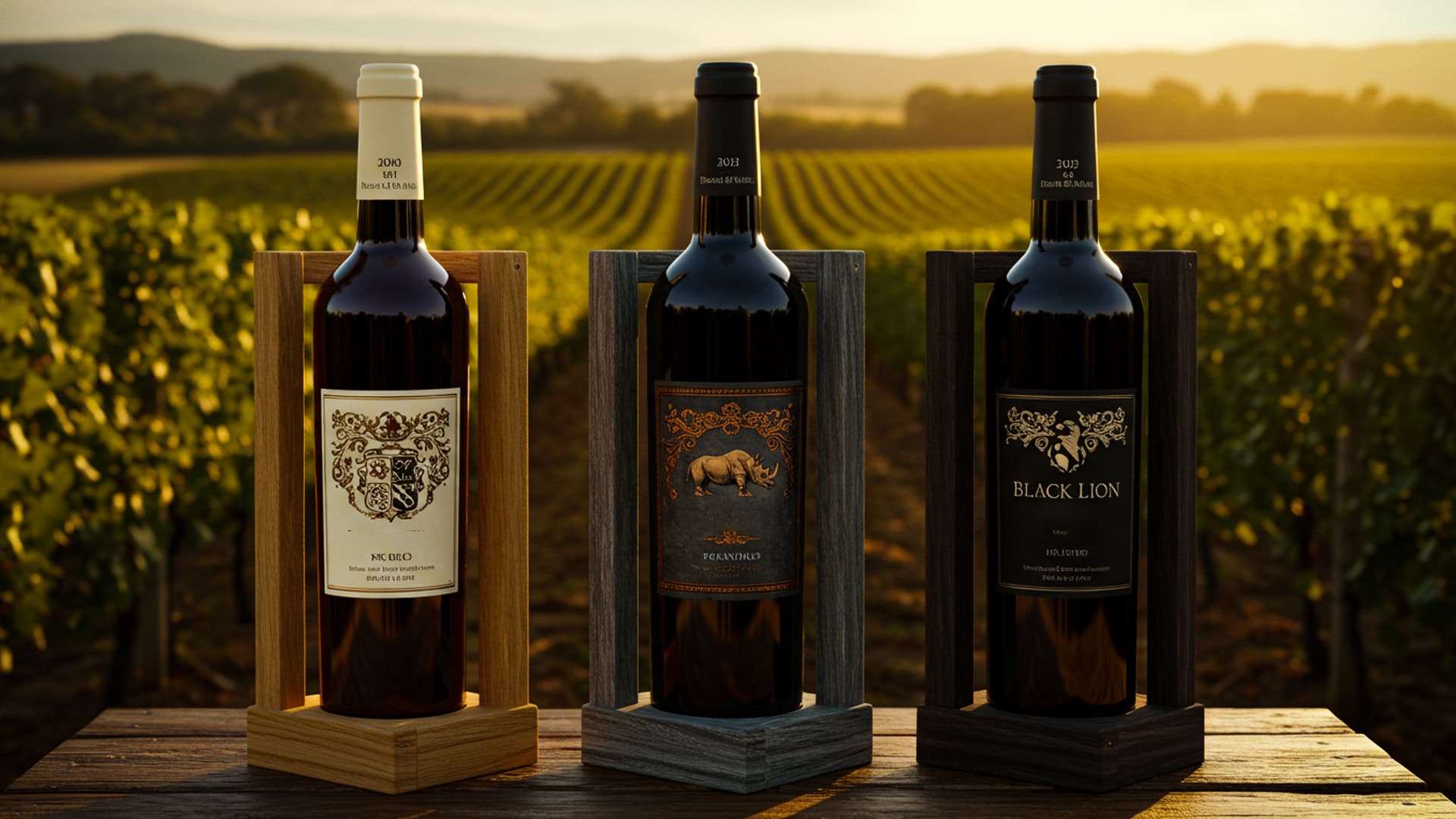
Cellar Investments: Collectible South African Wines to Watch
Cultivating a Portfolio of South Africa's Liquid Treasures Picture yourself descending into a subterranean vault where bottles rest like...
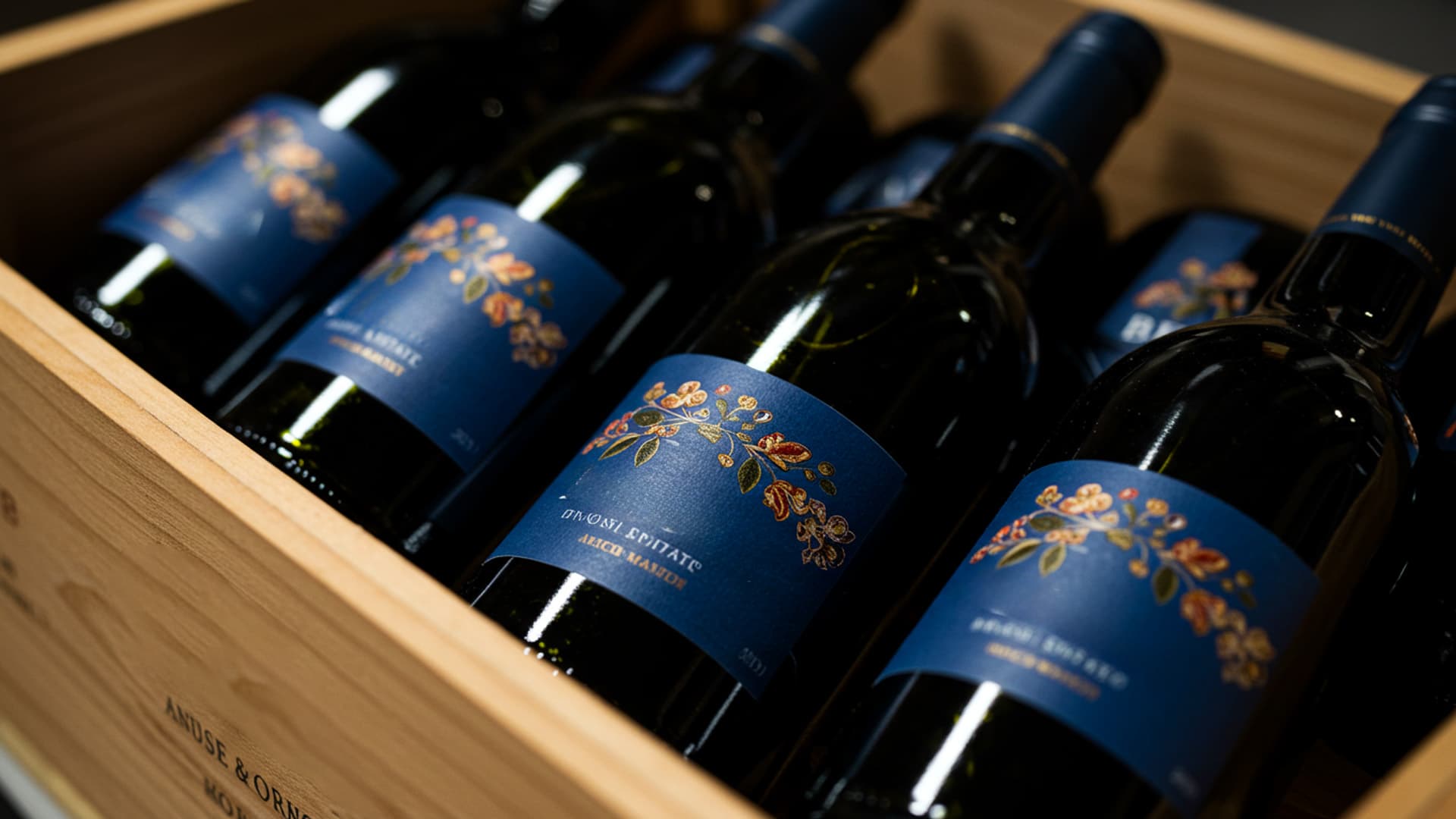
South Africa’s Signature Wines Unveiled
Exploring the Terroir of Chenin Blanc, Pinotage, Shiraz, and Cabernet Sauvignon South Africa’s vineyards are as diverse as the landscapes that...

The Rich History of South African Wine: From 1659 to Today
A Journey Through Time and Terroir In the sun-dappled valleys of South Africa, the story of wine unfolds like an epic saga—rich in tradition...
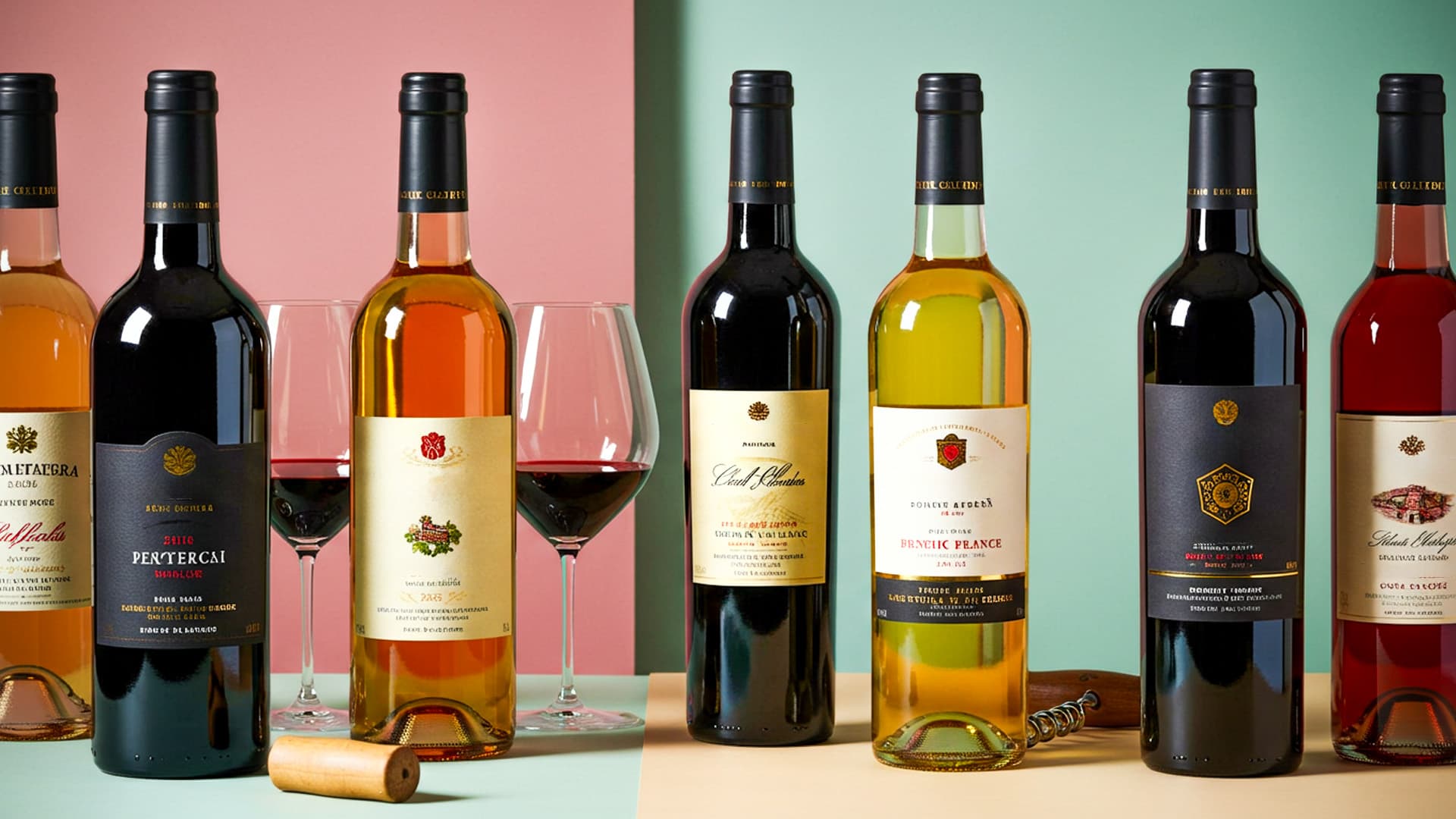
Best South African Wines for Gifting in 2025
Discover the Finest South African Wines That Make Memorable Gifts for Wine Lovers South Africa's winemaking prowess has steadily gained...